
Multimedia
Podcasts, audio features and audio versions of our articles — to listen to on the go.
Life

The Hippocratic Oath Today
The Hippocratic Oath is hardly ever sworn in its original form today; physicians use the Declaration of Geneva instead. The old oath contained outdated vows to the gods and a ban on surgery. "Primum non nocere" was not actually in it. Hippocrates' core idea — putting the patient's welfare first — has survived 2400 years as the foundation of modern medical ethics.
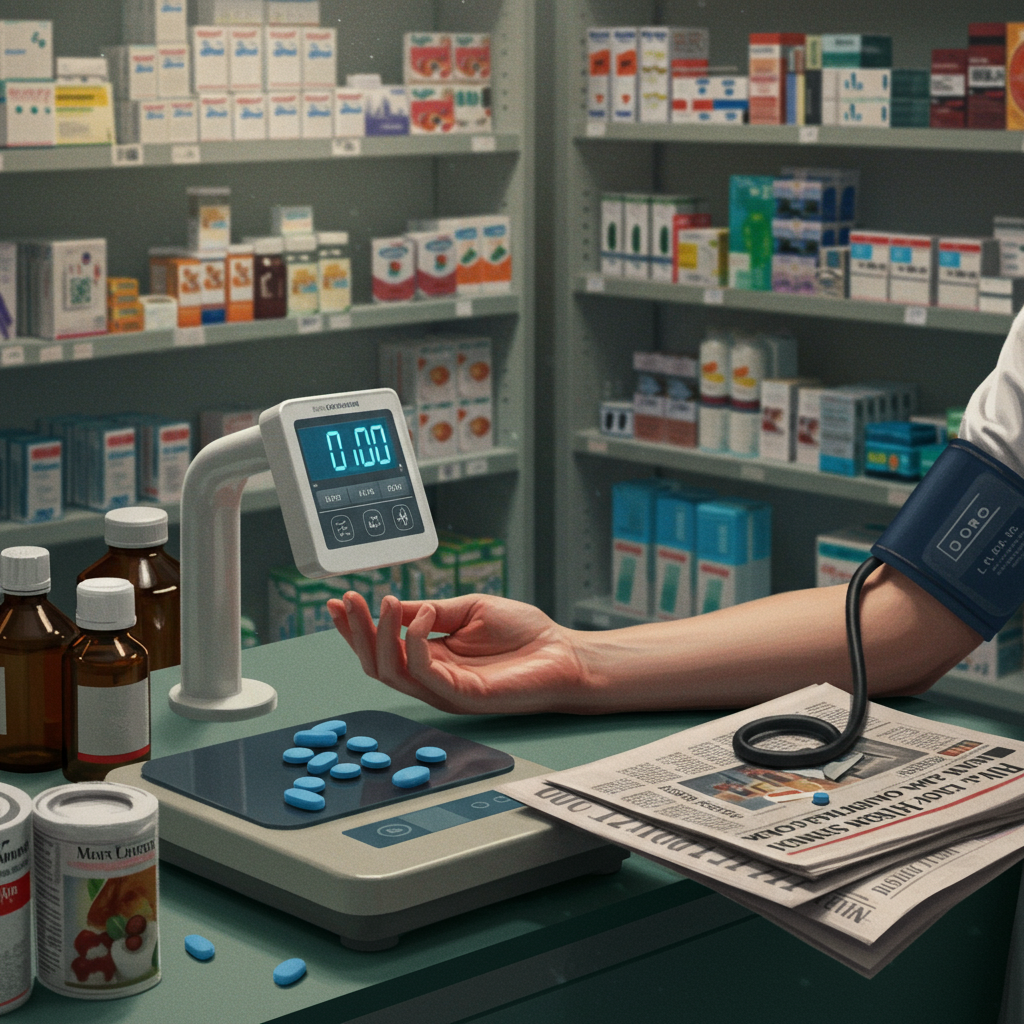
Sildenafil and List B+
In a pharmacy, Mr R. asks for sildenafil. Pharmacists may dispense it after a check. Erectile dysfunction can be an early warning sign of heart disease. Mr R.'s blood pressure is elevated, and it was before as well. He has not seen a doctor. The pharmacist sells him the sildenafil, but notes down the physician's number and announces that he will call. The medicine relieves the symptom without addressing the cause. The pharmacist wants to preserve the early-warning value of that symptom.

Biosimilars in Swiss Pharmacies 2024–2026
Since 1 January 2024, Swiss pharmacists have been allowed to substitute biosimilars for prescribed biological originator products, much as they do with generics. Switzerland is taking a pioneering role in Europe. The aim is to save 300 million francs a year. Pharmacies are taking on new competences and responsibilities, including informing physicians, counselling patients and pharmacovigilance. Biosimilars are complex proteins: not identical to the originator, but similarly effective. The product information must be checked before substitution.
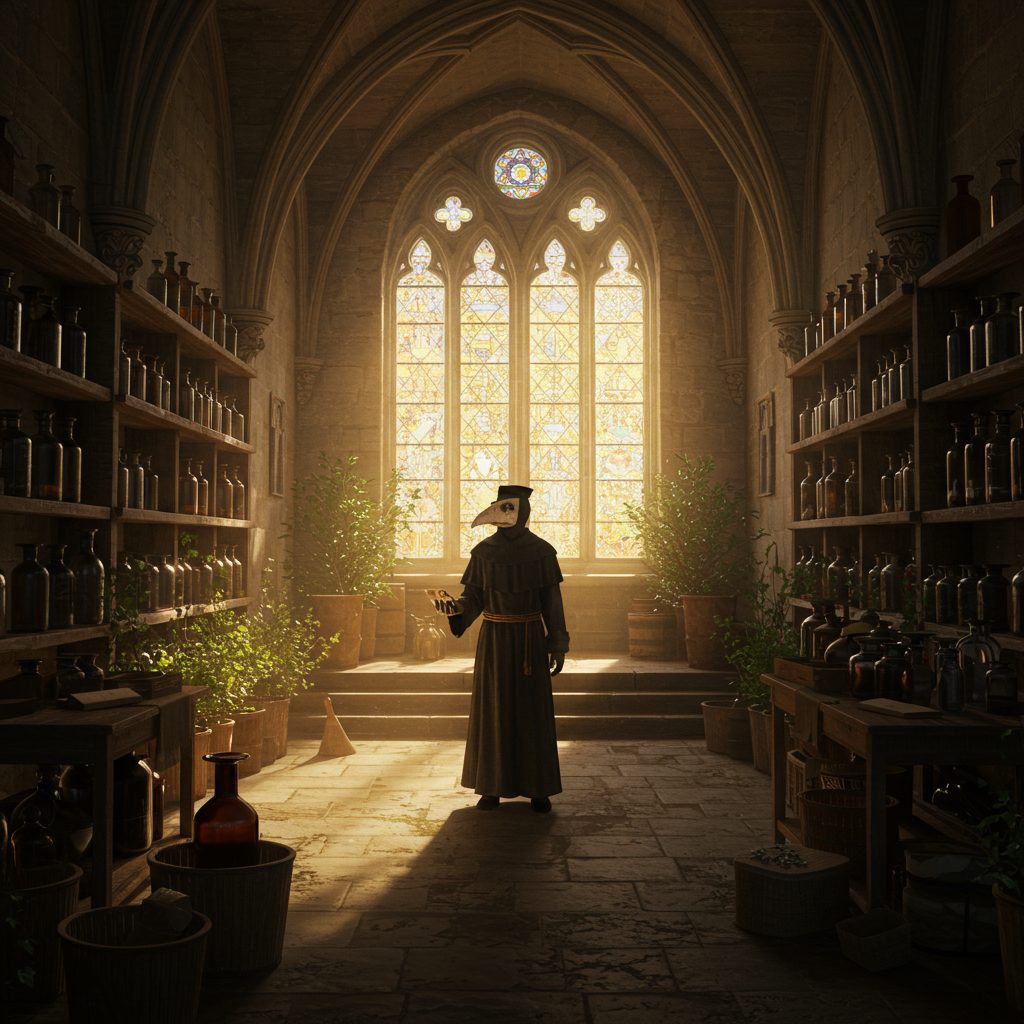
A History of Swiss Pharmacy
Swiss pharmacy developed from monastic medicine and secret herbal recipes into modern high-tech medicine. It mirrors the pragmatic, innovative character of Swiss society. Early pharmacies set themselves apart from quacks. Paracelsus revolutionised the understanding of medicines. Industrialisation made Basel a pharmaceutical centre. Today, pharmacy combines scientific progress with human closeness and care in order to relieve suffering.

A Chemist from Baden
Albert Hofmann, a Swiss chemist, first synthesised LSD in 1938. In 1943 he discovered its psychoactive effect during a self-experiment that became known as "Bicycle Day". Originally developed for psychiatry, LSD later became an icon of the counterculture. Hofmann regretted its misuse but always saw therapeutic potential in it. He died at the age of 102, just as research into psychedelic substances was reviving.