
Botox boom: what skin really needs
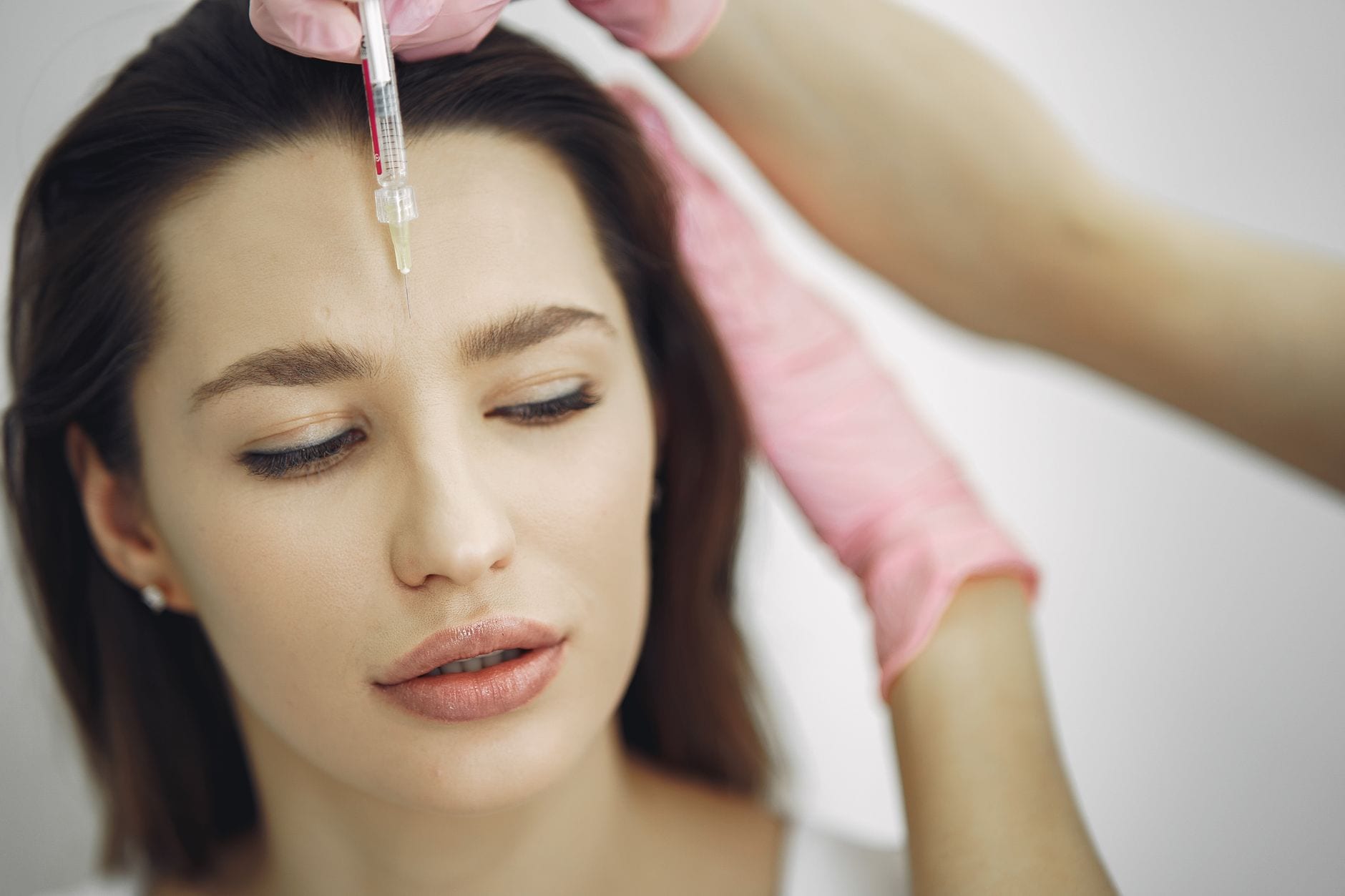
Botulinum toxin has long since moved from a discreet beauty procedure to the visible symbol of a new culture of self-optimisation. At the same time the boundaries between skin health, anti-ageing, prevention and aesthetic medicine are blurring, while ever younger people look for ways to control the first signs of skin ageing as early as possible. For pharmacists this creates a new counselling task: creating realistic expectations, recommending evidence-based dermocosmetics and recognising when skincare turns into a medical procedure.
When skin health becomes an optimisation project
Smooth skin, an even complexion and as few visible signs of ageing as possible are not new beauty ideals. What is new, however, is the intensity with which health and appearance are merging. Skincare is no longer used only to treat dry skin, acne or pigmentation disorders, but is increasingly understood as a long-term optimisation programme. Active substances such as retinol, vitamin C and peptides are as much part of it as collagen products, LED masks, microneedling, fillers and botulinum toxin.
The «Feelgood Revolution» study published in 2026 by the Gottlieb Duttweiler Institute illustrates this development. More than 3000 people from German-speaking Switzerland, Germany and Austria were surveyed on health, nutrition and beauty. Almost half now regard nutrition, health and appearance simultaneously as relevant components of personal wellbeing. At the same time the authors describe rising optimisation pressure, which affects younger people and women in particular.¹
A remarkable tension arises here. In the same survey, 27 per cent of women and 20 per cent of men stated that they felt pressure regarding their appearance. At the same time, eight per cent of men and six per cent of women reported already using botulinum toxin. Important for the interpretation, however, is that these figures come from the entire DACH sample and do not represent a purely Swiss prevalence.²
Aesthetic medicine is thus becoming increasingly normalised. What used to be perceived as cosmetic surgery today appears as a short treatment during the lunch break. Terms such as «baby Botox» or «preventive Botox» further reinforce the impression that botulinum toxin is a form of extended skincare. From a dermatological perspective this equation is problematic. Botulinum toxin can reduce expression lines, but it does not automatically improve the health of the skin.
How much Botox is actually injected in Switzerland?
On precisely this question, scientific accuracy is worthwhile. A robust national statistic on the number of aesthetic botulinum toxin treatments per year does not currently exist publicly for Switzerland. The current international ISAPS statistic reports separately only those countries for which sufficient responses are available for a statistically valid extrapolation. In the 2024 survey, Switzerland is not among the 32 separately reported countries. A concrete figure such as «50,000» or «100,000 Botox treatments per year in Switzerland» therefore cannot currently be derived responsibly from a national registry statistic.³
This matters, because estimates of Swiss cosmetic procedures keep appearing in the media and in marketing material. Often all non-surgical procedures such as botulinum toxin, hyaluronic acid, lasers and other methods are added together and then interpreted as Botox figures. Scientifically that is untenable.
How large the market is in principle is nevertheless shown impressively by the international data. According to ISAPS, 7,887,955 aesthetic botulinum toxin treatments were carried out by plastic surgeons worldwide in 2024. Botulinum toxin was thus by a wide margin the most frequent non-surgical aesthetic treatment worldwide. In total, 20.5 million non-surgical aesthetic procedures were recorded.³
The age distribution is also revealing. Worldwide in 2024, around 22.8 per cent of botulinum toxin treatments were in the 18 to 34 age group. The largest share, at 47.1 per cent, was accounted for by 35 to 50 year-olds. A further 23.6 per cent fell to the 51 to 64 age group and 6.0 per cent to people aged 65 and over. Treatments in the under-18s made up around 0.5 per cent. These figures are global ISAPS data and must not be presented as a Swiss age distribution, but they show clearly that botulinum toxin has long ceased to be a topic exclusively for older patients.³
Skin ageing does not begin with the first wrinkle
Anyone talking about Botox should first talk about skin ageing. For the visible ageing of the face does not arise through a single mechanism. With increasing age, the epidermis and dermis change, the production and organisation of collagen and elastin decline, the moisture balance changes, and subcutaneous fat, bone structure and muscle activity also influence the appearance.
Added to this is extrinsic skin ageing. Ultraviolet radiation in particular accelerates the breakdown of dermal structures and contributes to wrinkles, loss of elasticity and pigment changes. This is precisely why consistent UV protection is not a side issue of anti-ageing care but its scientifically best-secured foundation. In a randomised study with 903 adults, the group with daily sun protection showed 24 per cent less measurable skin ageing after four and a half years than the comparison group using sun protection at their own discretion.⁴
For counselling, the distinction between dynamic and static wrinkles is also decisive. Dynamic wrinkles initially arise through repeated muscle contractions, for example when frowning, laughing or raising the eyebrows. With increasing age, these lines can also become imprinted in the skin at rest. In addition, static wrinkles arise through UV damage, collagen breakdown, volume loss and changes in the connective tissue.
It is at exactly this point that the boundary between dermocosmetics and botulinum toxin becomes apparent.
Botox is not skincare
«Botox» is actually a brand name, but in everyday use it is frequently used synonymously for botulinum toxin type A. The active substance inhibits the release of acetylcholine at the neuromuscular endplate. The treated muscle contracts more weakly for a time and the expression line above it appears less pronounced.
Botulinum toxin therefore neither builds new collagen directly nor replaces lost volume. Nor is it a classic remedy for sagging skin. Its strength lies particularly in the treatment of wrinkles caused by facial expression.
In Switzerland, Vistabel is authorised as a botulinum toxin preparation for certain aesthetic indications, among them moderate to severe glabellar lines, crow’s feet and forehead lines, and now also pronounced platysma activity on the neck. The medicine is prescription-only.⁵
This distinction is important for the pharmacy too. A 30-year-old with the first fine lines due to dry, light-damaged skin does not necessarily need an injection. A pronounced glabellar expression line, by contrast, cannot be reduced to a comparable extent by a cream. Good counselling therefore does not mean selling dermocosmetics as «Botox from a tube», but clearly naming what a skincare product can and cannot achieve.
«Preventive Botox»: prevention or marketing?
Among younger adults in particular, the idea has taken hold that early botulinum toxin treatments could prevent later wrinkles. Physiologically it is understandable that permanently reduced muscle movement can influence the formation of certain expression lines. From this, however, no general medical recommendation can be derived to apply botulinum toxin prophylactically as early as one’s twenties.
The currently authorised aesthetic indications relate to already visible moderate to severe lines, or to the corresponding muscle prominence.⁵ For healthy young people without pronounced expression lines, routine treatment is therefore an aesthetic decision rather than a measure for skin health.
It is precisely here that the pharmacy has a valuable counselling function. Not every first forehead line requires a medical intervention. Consistent UV protection, a suitable retinoid, adequate moisture and an intact skin barrier address the skin itself first, and not merely its expressive movement.
What is genuinely worth trying before Botox
With incipient skin ageing, the aim should not be to use as many supposed anti-ageing actives simultaneously as possible. Irritation, barrier damage and chronic inflammation can even worsen the appearance of the skin. The American Academy of Dermatology also recommends establishing sun protection and moisturising care as the foundation and selecting further actives specifically according to the skin problem.⁶
The most important anti-ageing active therefore remains sun protection. A broad-spectrum UVA and UVB protection with at least SPF 30 — in practice, with a consistent anti-ageing strategy, often SPF 50 or 50+ — should be used daily. No «lifting cream» can compensate in the long run for what continuous UV exposure breaks down in dermal collagen.⁴
After that, retinoids are among the scientifically best-studied topical actives against light-induced skin ageing. The strongest evidence exists for tretinoin. A systematic review of randomised studies confirms improvements in fine wrinkles, irregular pigmentation and further signs of photoageing.⁷ A further systematic review from 2024 still describes tretinoin as the reference active, but at the same time points to its frequently limited tolerability.⁸
Tretinoin is not an ordinary anti-ageing cosmetic. In dermocosmetic self-care, retinol and retinal therefore play the main role. For these cosmetic retinoids the evidence base is less robust than for tretinoin, but they can be a sensible option when used correctly. A slow start with few applications per week and consistent moisturising care often improves tolerability.⁹
Niacinamide is of interest above all for patients who have sensitive skin or do not tolerate retinoids well. In a randomised double-blind study, five per cent niacinamide led after twelve weeks to improvements in fine lines, pigment irregularities and measured skin elasticity, among other things.¹⁰ The effect is subtler than with a botulinum toxin treatment, but it does actually concern skin quality.
Vitamin C also has a sensible place in dermocosmetics. Topical ascorbic acid has antioxidant effects and is involved in collagen synthesis processes. Controlled clinical studies showed improvements in light-damaged skin and fine wrinkles. Decisive, however, is the formulation, since vitamin C is chemically unstable and not every cosmetic product achieves the same skin penetration.¹¹
Hyaluronic acid, glycerol and barrier-strengthening lipids work differently. They mainly increase hydration and can plump up fine dryness lines in the short term. That can make the face look visibly smoother, but it is not a structural tightening of the skin. With dry or sensitive skin in particular this effect is nevertheless valuable, because a well-hydrated barrier is a precondition for a tolerable active-ingredient routine.⁶
Peptides, growth factors and numerous so-called lifting complexes are harder to classify. For individual formulations there are interesting studies, but the evidence is considerably more heterogeneous and often product-specific. A high price or the label «clinically tested» does not automatically mean that a product has evidence comparable to that for retinoids.
What I would recommend in the pharmacy before Botox
| Goal | Sensible approach | Classification |
|---|---|---|
| Prevent skin ageing | Broad-spectrum sun protection SPF 50+ | Most important foundation, daily |
| Fine lines and photoageing | Retinol or retinal in the evening | Good dermocosmetic option, introduce slowly |
| Pronounced photoageing | Dermatological assessment for tretinoin | Best topical evidence, but medicinal therapy |
| Barrier and light wrinkles | Niacinamide around 4 to 6 per cent | Well tolerated and sensible with sensitive skin |
| Oxidative stress and pigment irregularities | Well-formulated vitamin C | Sensible addition in the morning |
| Dryness lines | Hyaluronic acid, glycerol, ceramides | Immediate plumping effect, no genuine tissue tightening |
| Forehead or frown expression line | Cosmetics only of limited effect | With relevant distress, medical advice on botulinum toxin |
Corresponding formulations are already widely available in Swiss pharmacies. One example is the Retinol B3 Serum from La Roche-Posay with retinol and niacinamide. For more sensitive skin there is, for instance, Avène Hyaluron Activ B3 with six per cent niacinamide and 1.5 per cent hyaluronic acid. Retinal products are now also available in the pharmacy assortment. Decisive is less the brand than a suitable active concentration, a tolerable overall formulation and a routine that is actually maintained over months.
None of these products, however, is a substitute for botulinum toxin when a pronounced dynamic wrinkle is to be treated. Conversely, a botulinum toxin treatment does not replace good skincare.
Risks: minimally invasive does not mean risk-free
When used properly, aesthetic botulinum toxin is well studied. Typical adverse effects are temporary pain, redness, swelling or bruising at the injection sites. Headaches can also occur. Depending on the injection area, unwanted muscle weakness, a drooping eyelid, a lowered eyebrow or asymmetries are possible.¹²
The current Swiss risk management for Vistabel additionally names pre-existing neuromuscular diseases, immunogenicity with possible antibody formation and spread of the toxin beyond the intended area of effect as important identified risks. In patients with neuromuscular diseases, serious systemic effects up to and including dysphagia and respiratory impairment can occur in rare cases.⁵
An international pharmacovigilance analysis from 2026 evaluated more than 43,000 reports in connection with aesthetic botulinum toxin. At the same time the authors point explicitly to considerable under-reporting of adverse events. Such reporting data cannot determine an individual probability of adverse effects, but they make clear why botulinum toxin, despite its popularity, must be regarded as a medicine and not as a beauty product.¹³
After Botox: fewer beauty rituals, more sensible skincare
An astonishing number of rules surround the aftercare. Do not lie down for several hours, do not fly, do not exercise, do not laugh, do not drink coffee and on no account lower the head: some of these recommendations have been passed on for years, although the scientific evidence for exact time windows is limited.
A retrospective multicentre study published in 2025 with more than 5000 treatments of the upper face questioned whether extensive behavioural restrictions after a properly performed botulinum toxin treatment are necessary at all. Because of its retrospective design and the lack of a control arm, the study is not conclusive proof, but it underlines that many traditional aftercare rules rest on caution and theory rather than on high-quality clinical data.¹⁴
For dermatological aftercare, a pragmatic strategy makes more sense. The injection sites should initially be left alone and not massaged intensively or mechanically irritated. If the skin is reddened or sensitive, care should be reduced for a short time to gentle cleansing and non-irritating moisturising. Retinoids, stronger acids, aggressive peels and other irritating actives can be paused until the skin is free of irritation again. Not because they «neutralise» the botulinum toxin, but because freshly punctured and irritated skin does not need additional irritation.
Sun protection remains important after the treatment too. With small haematomas or swelling, the pharmacy can reassure and recommend simple, non-irritating care. A visible asymmetry or ptosis, by contrast, belongs back with the treating physician and should not be «corrected» by massaging or cosmetic self-treatment.
If difficulty swallowing, changes in speech, increasing generalised muscle weakness or breathing problems occur, immediate medical assessment is required. That applies even when the injection was several days ago.⁵
The pharmacist as a counterweight to the beauty hype
The greatest added value of the pharmacy lies not in advertising Botox or advising against it. It lies in an independent appraisal.
When a customer comes in wanting «something firming», it should first be clarified what actually bothers them. Is it dry crêpey lines, pigment spots, loss of elasticity, a pronounced frown line or a general wish to look younger? These problems require completely different solutions.
Equally important is the question about the existing routine. Anyone layering five serums in the morning, combining retinol with acids in the evening and at the same time complaining of burning and redness probably needs no further anti-ageing product, but first a more stable skin barrier.
The pharmacy can also correct unrealistic promises. Hyaluronic acid in a cream is not a filler. A peptide serum is not a botulinum toxin treatment. Collagen on the skin does not replace lost dermal collagen. And a cream cannot simulate a facelift. Dermatological professional societies also emphasise that freely available anti-ageing products as a rule achieve moderate results, not intervention-like ones.⁶
It is precisely this honesty that can enhance dermocosmetic counselling.
Perhaps the most important advice is sometimes: not yet
The beauty boom confronts the pharmacy with an unusual task. On the one hand, effective dermocosmetics are available today that really can influence photoageing, pigment shifts, dryness and fine lines. On the other hand, no serum can control every change of ageing.
Between these two poles a market is growing in which prevention quickly turns into self-optimisation. Younger people in particular experience, through social media, filters and permanently visible close-ups of their own faces, an aesthetic in which normal facial expression and skin texture increasingly appear as something correctable. At the same time, the current DACH data show that younger people place particular value on their appearance and spend an above-average amount of money on optimising it.¹ ²
Botulinum toxin can be an effective aesthetic treatment where the indication is carefully established. But it is not a precondition for healthy skin and not a basic anti-ageing therapy.
The first question in the pharmacy should therefore not be: «Which cream comes closest to Botox?» But: «What does this skin actually need?»
Sometimes the answer is retinol. Sometimes niacinamide. Very often sun protection. And sometimes a medical treatment really is the more sensible option.
The real competence lies in recognising the difference.
References
- Schäfer C, Scheidegger G, Bauer JC. Feelgood Revolution. Das neue Ökosystem an der Schnittstelle von Food, Health und Beauty. GDI Studie Nr. 61. Gottlieb Duttweiler Institute; 2026. DOI: 10.59986/QDQU6777.
- Schweizer Radio und Fernsehen. Studie zum Wellnessmarkt: Männer überholen Frauen bei Botox. 1. Juni 2026. Grundlage: GDI Feelgood Revolution, Befragung von 3031 Personen aus der Deutschschweiz, Deutschland und Österreich.
- International Society of Aesthetic Plastic Surgery. ISAPS International Survey on Aesthetic/Cosmetic Procedures Performed in 2024. Published 2025.
- Hughes MCB, Williams GM, Baker P, Green AC. Sunscreen and prevention of skin aging: a randomized trial. Ann Intern Med. 2013;158:781–790. doi:10.7326/0003-4819-158-11-201306040-00002.
- Swissmedic. Swiss Summary of the Risk Management Plan Botox / Vistabel, Toxinum botulinicum A. Dokument vom September 2025.
- American Academy of Dermatology. How to select anti aging skin care products. Dermatologische Patienteninformation.
- Sitohang IBS, Makes WI, Sandora N, Suryanegara J. Topical tretinoin for treating photoaging: a systematic review of randomized controlled trials. Int J Womens Dermatol. 2022;8:e003.
- Siddiqui Z et al. Comparing tretinoin to other topical therapies in the treatment of skin photoaging: a systematic review. Am J Clin Dermatol. 2024;25:873–890. doi:10.1007/s40257-024-00893-w.
- Milosheska D, Roškar R. Use of retinoids in topical antiaging treatments: a focused review of clinical evidence for conventional and nanoformulations. Adv Ther. 2022;39:5351–5375. doi:10.1007/s12325-022-02319-7.
- Bissett DL, Oblong JE, Berge CA. Niacinamide: a B vitamin that improves aging facial skin appearance. Dermatol Surg. 2005;31:860–865. doi:10.1111/j.1524-4725.2005.31732.
- Humbert PG et al. Topical ascorbic acid on photoaged skin: clinical, topographical and ultrastructural evaluation. Exp Dermatol. 2003;12:237–244. doi:10.1034/j.1600-0625.2003.00008.x.
- Goodman GJ, Liew S, Callan P, Hart S. Facial aesthetic injections in clinical practice: pretreatment and posttreatment consensus recommendations to minimise adverse outcomes. Australas J Dermatol. 2020;61:217–225. doi:10.1111/ajd.13273.
- Zargaran A, Zargaran D, Pirayesh A, Woollard A, Mosahebi A. Global pharmacovigilance of aesthetic botulinum toxin type A: analysis of adverse event reports from the USA, Europe, Canada, and Australia. J Cosmet Dermatol. 2026;25:e70771. doi:10.1111/jocd.70771.
- Are Post Care Recommendations Following Upper Face Botulinum Toxin Treatment Scientifically Necessary? A Retrospective Study Based on 5000 Patients. Toxins. 2025;17:372. doi:10.3390/toxins17080372.