
Doxylamine: the double bottom of pharmacy practice
A column on the professional conflict involved in dispensing potentially inappropriate medicines such as doxylamine to older patients. The text examines the gap between pharmaceutical knowledge and dispensing practice and argues for proactive pharmaceutical care that goes beyond simply handing over a product.
From the pharmacy floor
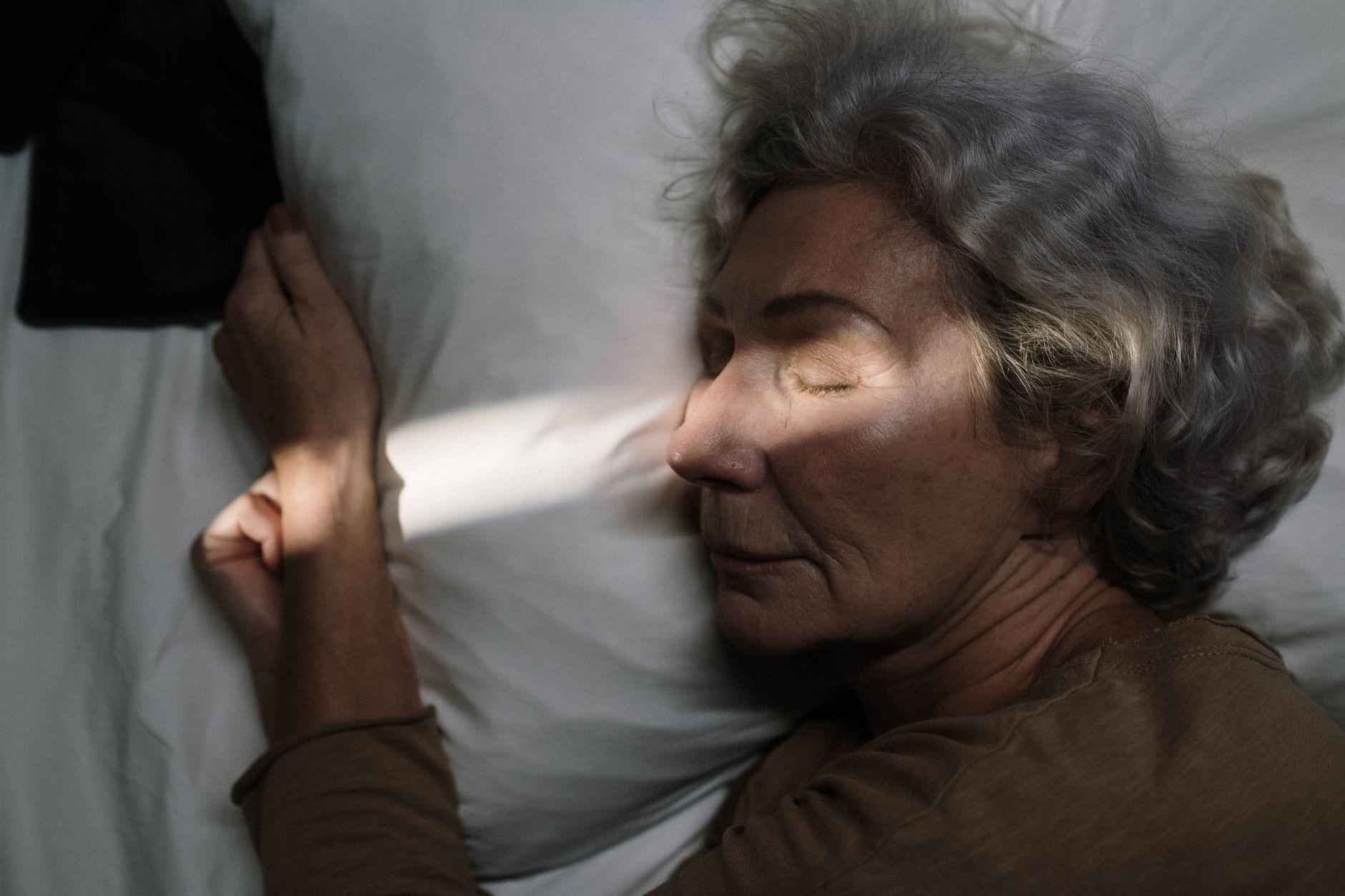
Mrs Müller is seventy-six, and she has been sleeping with doxylamine for three years. She knows which row it is in. She knows the pack changed from blue to teal in the spring. She knows we do not take it off the shelf for her but out of the drawer behind it, because in our pharmacy it is not self-selectable. She knows everything — except the ACB score of three.
I know that. So does everyone who has ever attended a geriatrics course. Strongly anticholinergic, on the Beers list, on the STOPP list, on the PRISCUS list — since the ASPREE analysis we also know the hazard ratios from the data. Doxylamine is not a sleeping aid with side effects. It is a substance whose main effect is clinically undesirable at her age.
Mrs Müller gets it anyway.
She gets it because she is an adult woman who decides for herself what she swallows. She gets it because her GP is unavailable and she has to sleep tonight. She gets it because I have nothing else to offer her that I could actually put in her hand at half past five on a Thursday evening — no sleep laboratory, no cognitive behavioural therapy for insomnia, no GP appointment in fifteen minutes. And she gets it because nobody pays me for the hour I would have had to spend talking to her.
That is the double bottom of our profession in 2026. In editorials and at congresses we talk about the pharmacy as a clinical point of contact. Since January we have been billing a medication safety check and a patient safety check. From 2027, if the health insurance law revision delivers what it promises, we will be reimbursed for medication reviews. And in the meantime we sell Mrs Müller a product we know is not a good idea for her.
There are two ways of dealing with this double bottom. One is to make it easy on yourself by invoking Mrs Müller’s personal responsibility and her right to OTC self-medication. That is not wrong. It is just not everything.
The other is to dismantle the drawer.
Not in a moral sense. In a practical one. Asking a question, briefly, without stiffness: Mrs Müller, are you still on for that appointment with Dr R.? Did the sleep hygiene counselling last quarter work out? A pointer towards a non-anticholinergic alternative plan — a trial of melatonin, a sleep window, light therapy in winter, perhaps a conversation with her son about her living situation. Not because we replace any of those things. But because we are the only people who have known for three years that she wants the teal-coloured pack every Thursday.
If that is not what the “patient safety check” is, then it is a tariff item. And that would be a shame.
Mrs Müller did not get a pack today. She got an appointment — short, friendly, in ten days’ time. I will sell her doxylamine, perhaps next time too. But no longer without those fifteen minutes.
That is my patient safety check.