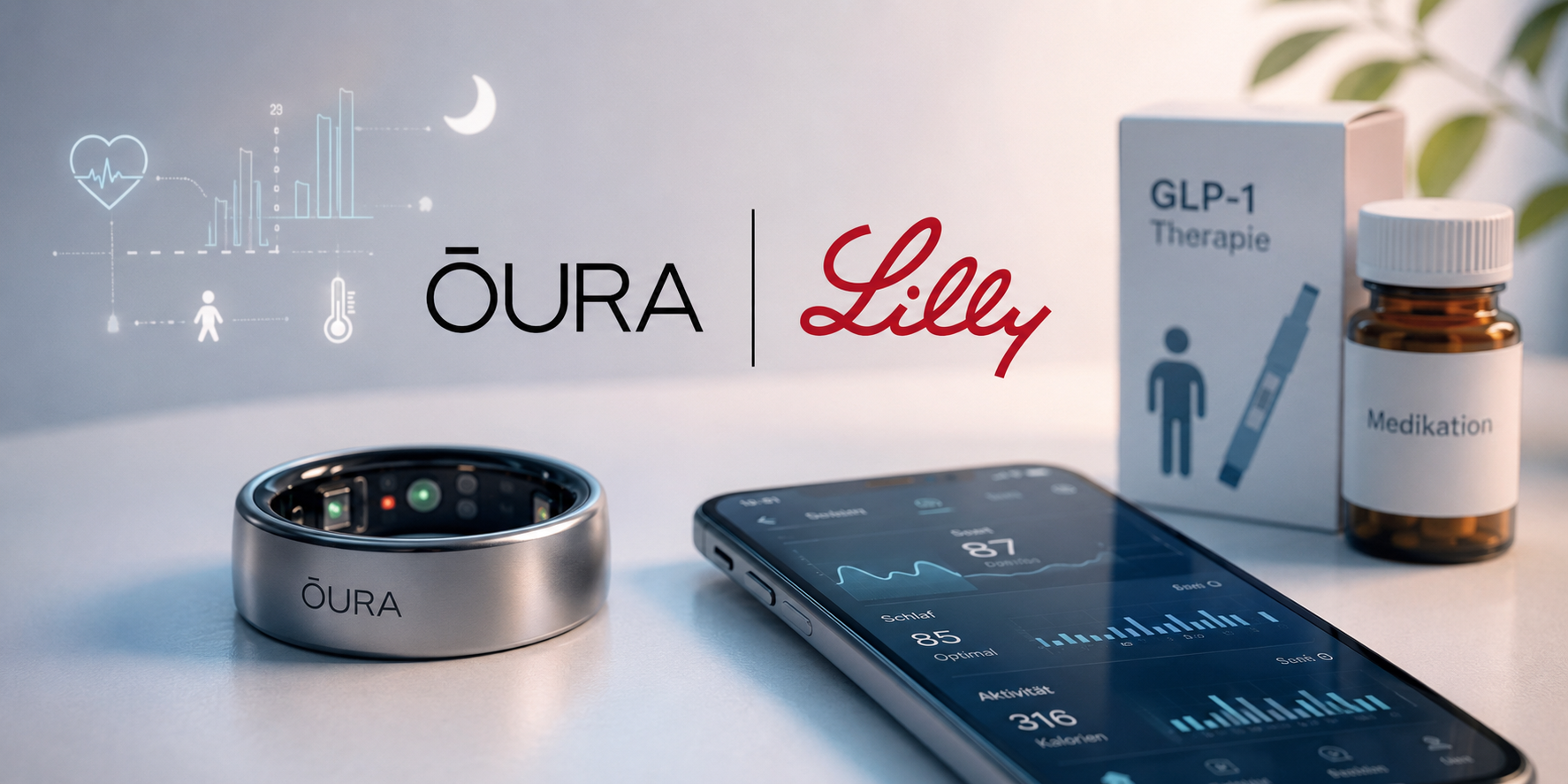
Wearables: rings, smartwatches and sensors
From the smart ring and the ECG smartwatch to the over-the-counter glucose sensor: health wearables have long since arrived on the shelf and on customers’ wrists. This overview shows which devices are currently available, what they actually measure, where the line between lifestyle and medical device runs – and what the Federal Data Protection Commissioner has to say about this sensitive health data.

Key points
- Rings, watches, patches, glasses: wearables today measure HR, HRV, SpO₂, skin temperature, sleep, ECG and even interstitial glucose continuously.
- Wellness ≠ medical device: only certified functions (e.g. ECG/atrial fibrillation, CGM) are clinically validated – the rest is non-binding “wellness”.
- Data protection first: the FDPIC classifies health data as particularly sensitive and advises checking storage location, encryption and purpose limitation before buying.
- An opportunity for the pharmacy: wearables are worth adding to the range – stocking the devices and advising customers competently on them wins turnover, a competence profile and customer loyalty.
The body becomes a data supplier
What began ten years ago as a step counter is today a dense network of sensors on and in the body. A third of the population already wears a smartwatch or fitness tracker, and the devices have long since stopped measuring only movement: heart rate, heart rate variability (HRV), oxygen saturation, skin temperature, sleep phases, a single-channel ECG or – via a thin filament under the skin – continuous glucose readings. For the pharmacy this is doubly relevant: customers arrive for consultations with figures, alerts and questions that until recently were the preserve of the doctor’s surgery – and many of these devices can at the same time be sensibly added to the range.
The market sorts itself into form factors: rings on the finger, watches and wristbands on the wrist, patches on the upper arm or chest, and increasingly glasses. A fundamental difference in measurement technology explains many accuracy debates: watches usually measure the pulse by reflection (green light is bounced back off the skin), while rings often use transmission – light passes through the thinner tissue of the finger, which yields more precise values on a body at rest.
Current devices at a glance
The following selection reflects what is widely available in retail in 2026 – and separates non-binding wellness measurement from those functions approved as a medical device (CE/Swissmedic) or with FDA clearance.
| Product | Form factor | What it measures | Regulatory status |
|---|---|---|---|
| Oura Ring 4 | Ring | HR, HRV, SpO₂, skin temperature, respiratory rate, sleep, activity | Wellness (not a medical device), subscription |
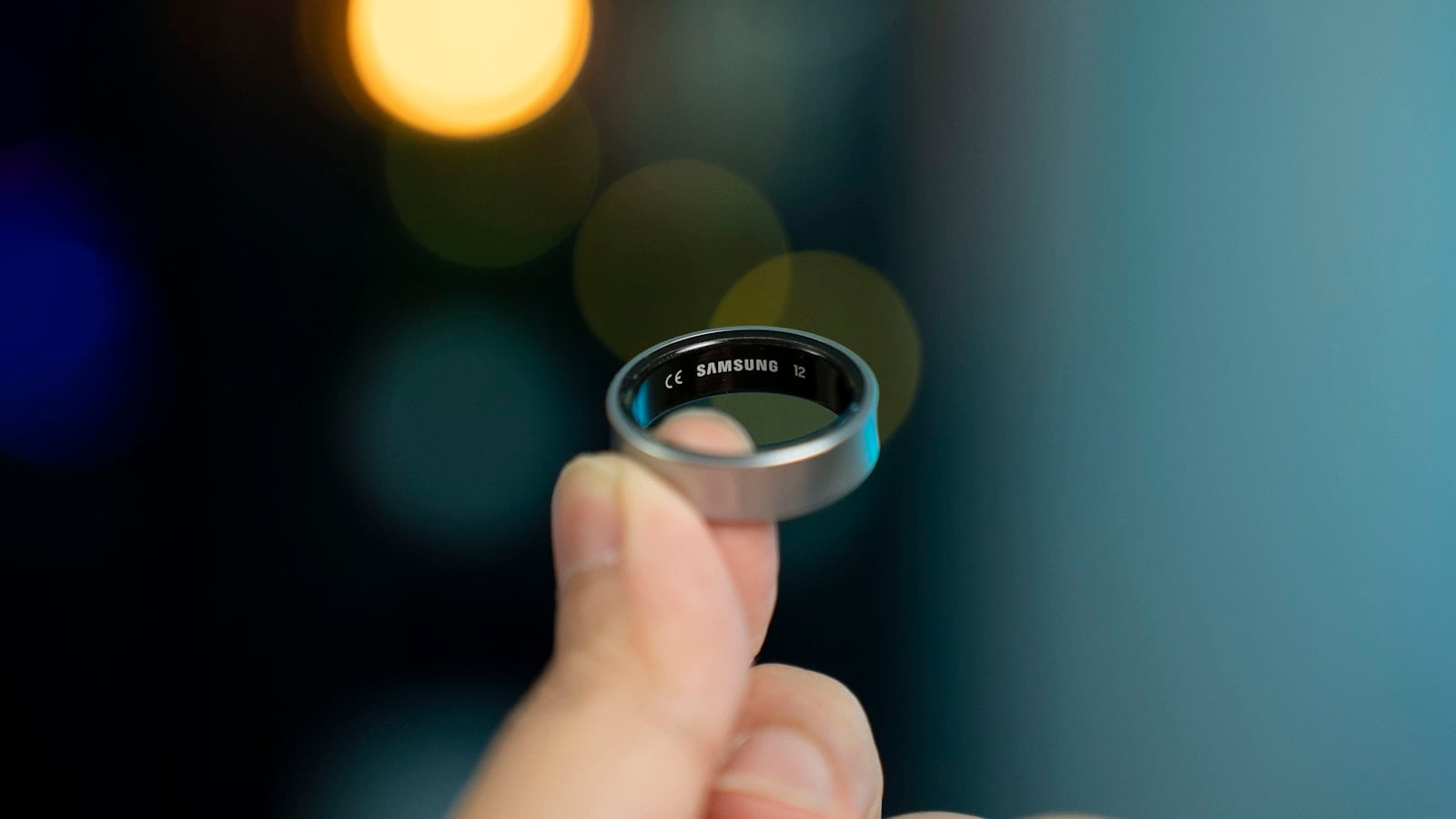
| Samsung Galaxy Ring | Ring | HR, HRV, skin temperature, sleep incl. apnoea indications, activity | Wellness, no subscription |
| Ultrahuman Ring Air | Ring | HR, HRV, skin temperature, sleep, movement, glucose coaching | Wellness, no subscription |
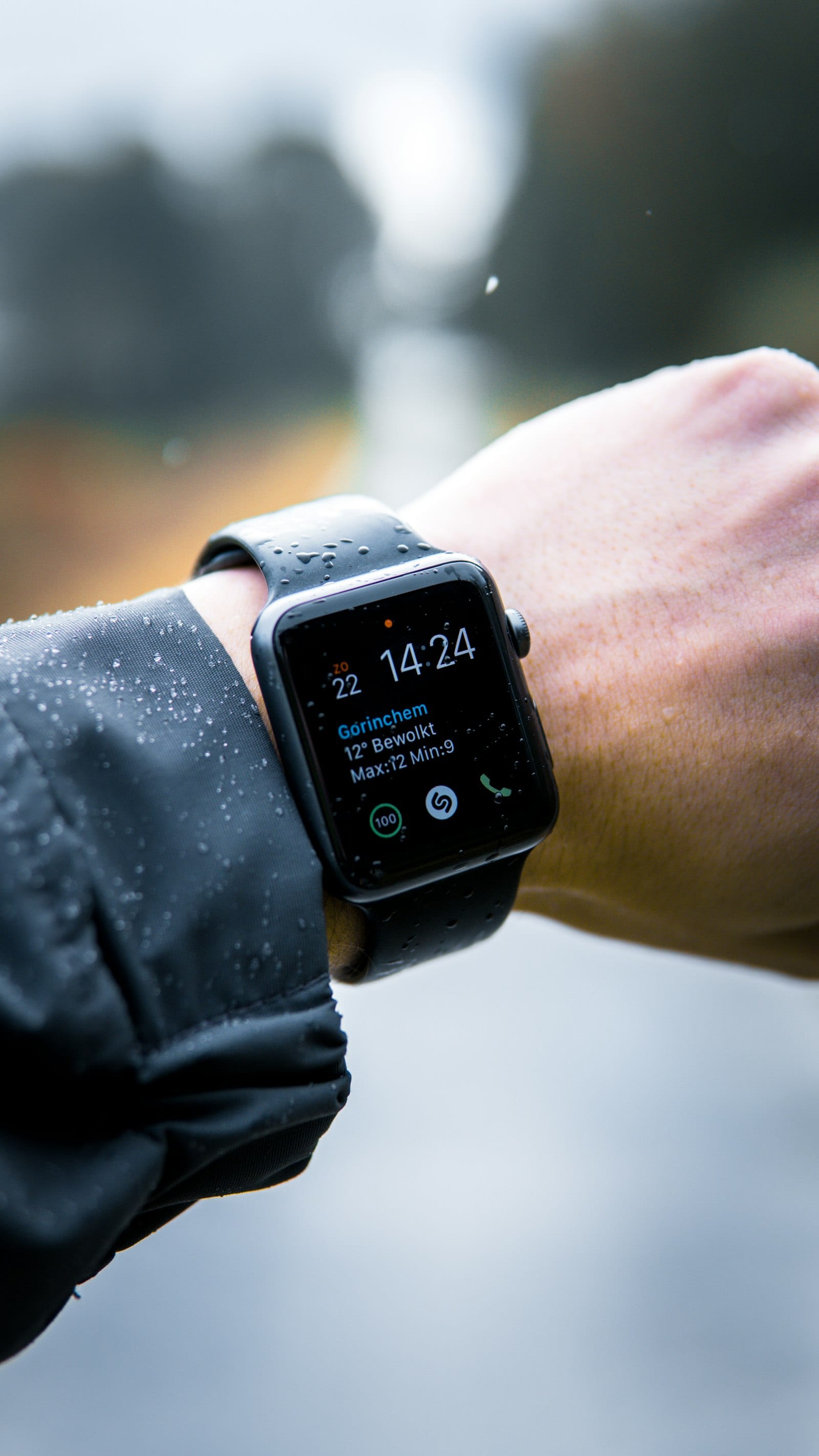
| Apple Watch (Series/Ultra) | Smartwatch | 1-channel ECG, atrial fibrillation notification, SpO₂, HR, fall detection | ECG/AFib function approved as a medical device |
| Withings ScanWatch 2 | Hybrid smartwatch | ECG, atrial fibrillation, SpO₂, skin temperature, sleep, HR | Medical CE marking / FDA clearance |
| Whoop (band) | Wristband | HR, HRV, respiratory rate, skin temperature, sleep, strain | Largely wellness, subscription model |
| Dexcom Stelo / Abbott Lingo | Patch/sensor | Interstitial glucose, continuous (CGM) | Medical device, partly available without prescription |
| Ray-Ban Meta / smart glasses | Glasses | Camera, audio, display – (as yet) no vital parameters | Not a health product, high data protection relevance |
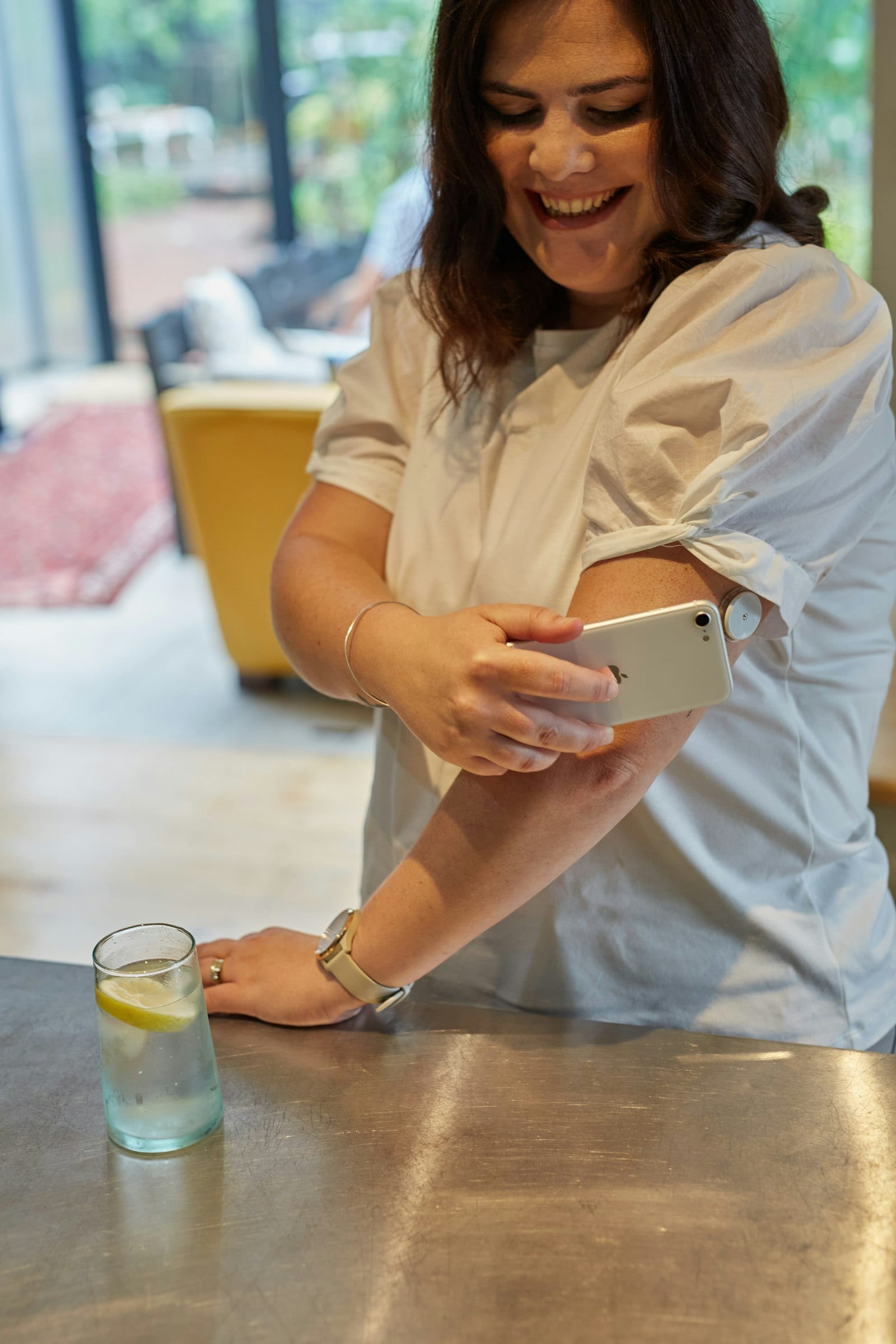
The over-the-counter CGM stands out: with devices such as Stelo and Lingo, the continuous glucose sensor has left the niche of diabetes therapy and is aimed at health-conscious users without diabetes. For consultations this means explaining that these consumer versions – unlike therapeutic systems – deliberately do without hypo/hyperglycaemia alarms and are no substitute for medically supervised therapy.
Wellness or medical device – the decisive boundary
The most important sentence for any consultation is: not every number on the display is a clinical measurement. One and the same device can combine tested medical-device functions with purely informal wellness figures. The ECG function of the Apple Watch, for instance, is approved and was examined in the large-scale Apple Heart Study: among more than 419,000 participants, of those who received a notification of an irregular pulse and subsequently wore an ECG patch, 34 per cent actually had atrial fibrillation; the positive predictive value of the pulse alert was 0.84. A strong signal – but no licence for screening, because false alarms and unnecessary anxiety occur just as readily.
For pure wellness figures such as “stress level”, “readiness” or “sleep quality”, such validation is usually absent altogether. They are based on proprietary manufacturer algorithms whose basis is not public. They are useful for self-observation of trends, not for diagnosis. Drawing this dividing line cleanly prevents both: overvaluing a wellness figure and trivialising a genuine medical-device alert.
Criteria for range and consultation
Whether a device fits the range, and how to advise on it, can be clarified with a small grid that allows any model to be assessed:
- Approval: is the specific function a medical device (CE/Swissmedic, FDA)? Only then is it intended for health decisions.
- Measurement method and accuracy: transmission or reflection, are there independent validation studies? Values taken on a body at rest are more robust than those under movement.
- Benefit instead of a data flood: does the measurement lead to a sensible action – or does it merely produce numbers that increase pressure and self-monitoring?
- Everyday practicality: battery life, wearing comfort and above all ongoing subscription costs, which are what unlock many functions in the first place.
- Data protection: where does the data sit, how is it transmitted, and what is it further used for?
The last point in particular is often underestimated – and it is the one where the pharmacy offers genuine added value.
Data protection: the most sensitive data on the wrist
Health data legally count as particularly sensitive personal data with a high potential for misuse. The Federal Data Protection and Information Commissioner (FDPIC) points out that, because they are worn constantly, wearables generate seamless movement and vital-sign profiles that reach deep into the private and intimate sphere. Because the devices are so inconspicuous, they also easily capture data of uninvolved third parties.
The FDPIC recommends reading the privacy policy before purchase and checking whether the data is transmitted encrypted, where it is stored (locally or in the cloud), whether long-term security updates are provided and whether there is a point of contact in Switzerland. In operation the rule is: grant the app only the permissions genuinely needed, install updates promptly and uninstall unused apps. Using health data for marketing purposes requires explicit consent.
The FDPIC assesses smart glasses particularly critically: their hidden photo and video function can record the surroundings unnoticed – one reason why this category belongs in every wearables debate despite having no vital-sign sensors. Covert recording can also be criminally relevant in Switzerland (Art. 179bis ff. of the Criminal Code).
Is it worth it for the pharmacy?
Yes – and in both ways: as a product on the shelf and as a consultation service. Wearables shift measurements out of the clinic into everyday life, and with them questions out of the doctor’s surgery into the pharmacy. Anyone stocking selected devices serves growing demand precisely where customers are already looking for trust and expertise – and stands apart from the pure online purchase, where nobody puts the figures into context.
Selling alone is not enough, though; only the consultation makes the product valuable. It answers the three questions customers fail at online: is this figure a validated medical-device finding or a wellness trend? Does an atrial fibrillation warning justify a medical work-up – or does a “poor sleep score” merely fuel needless worry? And what happens to the sensitive data behind it?
Anyone who separates these three levels – evidence, benefit and data protection – with confidence, and can sell the matching devices along with it, turns a lifestyle gadget into a meaningful health tool. That is precisely where the opportunity lies: the pharmacy becomes the trustworthy pilot in a market growing faster than the knowledge of what the numbers actually mean.
References
- Perez MV, Mahaffey KW, Hedlin H, et al. Large-Scale Assessment of a Smartwatch to Identify Atrial Fibrillation (Apple Heart Study). New England Journal of Medicine. 2019.
- Godfrey A, Hetherington V, Shum H, et al. From A to Z: Wearable technology explained. Maturitas. 2018;113:40–47.
- Babu M, Lautman Z, Lin X, et al. Wearable Devices: Implications for Precision Medicine and the Future of Health Care. Annual Review of Medicine. 2024;75:401–415.
- US Food and Drug Administration. Clearance des Dexcom Stelo Glucose Biosensor System als erste rezeptfreie kontinuierliche Glukosemessung (März 2024) sowie des Abbott Lingo (Juni 2024).
- Withings. Medizinische CE-Kennzeichnung und FDA-Clearance der ScanWatch für EKG-Aufzeichnung und Vorhofflimmern-Erkennung. Herstellerinformation.
- Eidgenössischer Datenschutz- und Öffentlichkeitsbeauftragter (EDÖB). Wearables. edoeb.admin.ch. Abgerufen im August 2026.
- Swissmedic. Medizinprodukte – Informationen zur Regulierung und Marktüberwachung in der Schweiz. Abgerufen im August 2026.
- Bitkom. Nutzung von Smartwatches und Fitness-Trackern in Deutschland. 2024.