
Ozempic or Mounjaro: is switching really worthwhile?
The competition between Novo Nordisk and Eli Lilly is increasingly being fought out not only on the medicines market but also on scientific ground. The latest debate was prompted by new data presented by Novo Nordisk at this year’s annual meeting of the American Diabetes Association (ADA). The analysis concludes that people with type 2 diabetes already treated with Ozempic® (semaglutide 1 mg) could benefit more from titrating up to 2 mg than from switching to Mounjaro® (tirzepatide).¹
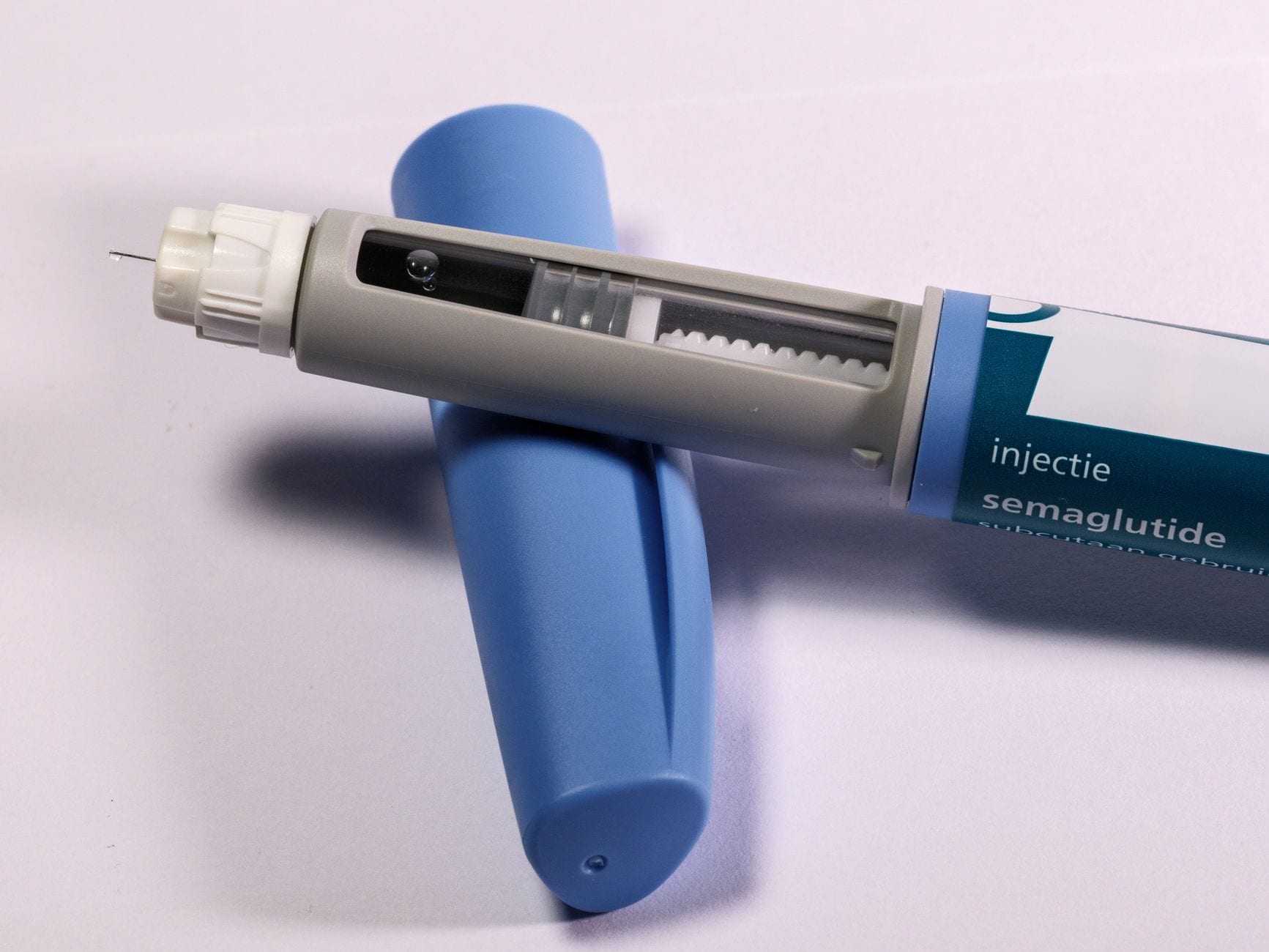
The results attracted attention and contradiction. Lilly Germany emphasises that no generally valid therapy recommendations can be derived from the analysis and points to the existing evidence from randomised clinical trials, which shows tirzepatide to be superior to semaglutide on several endpoints.²
So what does this mean in practice? Should patients switch from Ozempic to Mounjaro, or better not?
Two studies — two statements
At first glance the results appear to contradict one another. In fact, however, the questions they ask differ fundamentally.
The analysis presented by Novo Nordisk examined people with type 2 diabetes who were already being treated with semaglutide 1 mg. It compared titrating up to 2 mg with switching to tirzepatide. The evaluation showed that both strategies were similarly successful when it came to reaching an HbA1c below 7 %. In achieving weight loss of at least five per cent, titrating up the semaglutide even performed somewhat better in this analysis.¹
Eli Lilly, by contrast, points to the large randomised SURPASS-2 trial. There tirzepatide was compared directly with semaglutide 1 mg — but in patients newly enrolled in the respective therapy. In that trial tirzepatide led both to a stronger reduction in HbA1c and to greater weight loss.²
The apparently contradictory results are therefore explained above all by different study designs and different questions.
Real-world data are important, but no substitute for clinical trials
The investigation presented by Novo Nordisk is based on so-called real-world data. Such analyses reflect everyday care and deliver valuable insights into how medicines are used outside strictly controlled trials.
However, real-world analyses can never entirely exclude statistical differences between patient groups. Factors such as age, comorbidities, adherence or the reasons for a change of medication can only be taken into account to a limited extent. Randomised controlled trials therefore remain the gold standard for directly comparing the efficacy of different medicines.
The new data thus provide interesting indications, but do not conclusively answer the question of the optimal therapy switch.¹
When can a switch make sense?
A blanket switch from Ozempic to Mounjaro cannot be recommended on the basis of the currently available evidence.
Whether a switch makes sense depends far more on the individual therapy goals. If good blood glucose control is achieved on semaglutide and the patient tolerates the therapy well, there is frequently little to be said for a routine switch. If glycaemic control is inadequate, however, or if greater weight loss is sought, tirzepatide may be a sensible option because of its dual action on GLP-1 and GIP receptors — provided the individual circumstances and the applicable authorisations are taken into account.³
Tolerability, comorbidities, cost, availability and patient preference likewise play an important role.
What does this mean for pharmacies?
For community pharmacies the debate shows one thing above all: the choice of a GLP-1-based medicine cannot be reduced to simple comparisons.
Patients pursue different goals. While for some the reduction of HbA1c is paramount, others want above all weight loss or the best possible tolerability. Counselling must be correspondingly individual.
Pharmacists can help to avoid unrealistic expectations. Not every new study automatically means that existing therapies should be changed. Nor is every newer medicine fundamentally the better choice.
In a market increasingly shaped by intensive marketing activity and competing study data, evidence-based interpretation is gaining importance.
In brief
The new data from Novo Nordisk provide interesting indications that titrating up semaglutide can be a sensible alternative to switching to tirzepatide for many people with type 2 diabetes. At the same time, high-quality randomised trials continue to indicate advantages of tirzepatide in lowering blood glucose and reducing weight in certain patient groups.¹ ²
The central message is therefore not “Ozempic or Mounjaro”, but: the best therapy is the one that fits the individual needs, goals and comorbidities of the patient. A switch should therefore not be made on the basis of individual studies or headlines, but always on the basis of the overall evidence and an individual medical risk–benefit assessment.
References
- Novo Nordisk. Cardiometabolic Outcomes in Adults With Type 2 Diabetes Treated With 1 mg Semaglutide Who Titrate to 2 mg Semaglutide vs Switch to Tirzepatide. Präsentiert auf der American Diabetes Association (ADA) 2026. https://sciencehub.novonordisk.com/congresses/ada2026/fang.html
- Frias JP et al. Efficacy and Safety of Tirzepatide versus Semaglutide Once Weekly as Add-on Therapy to Metformin in People with Type 2 Diabetes (SURPASS-2). New England Journal of Medicine. 2021.
- Clodi M. et al. Antihyperglykämische Therapie bei Diabetes mellitus Typ 2 – Update 2026. Wiener Klinische Wochenschrift. 2026.