Phytotherapy in respiratory infections: evidence-based counselling
Acute respiratory infections are mostly viral in origin, antibiotics often not indicated. In view of rising antibiotic consumption and supply shortages, evidence-based counselling in the pharmacy is becoming ever more important. This article examines the current evidence and the practical use of herbal medicines such as Pelargonium, Echinacea and cineole within antibiotic stewardship.
Key points
- Acute respiratory infections are mostly viral; phytotherapy is an evidence-based standard option.
- Pelargonium sidoides, Echinacea purpurea and 1,8-cineole have a good evidence base for acute bronchitis, the common cold and rhinosinusitis.
- Counselling in the pharmacy is central to antibiotic stewardship and requires knowledge of indications and warning signs.
- Most herbal medicines are self-medication; individual preparations are reimbursed (Specialities List), which has to be taken into account in counselling.
In the outpatient sector in Switzerland, 9.4 defined daily doses of antibiotics per 1,000 inhabitants per day (DID) are consumed, an increase compared with the Covid low (7.3 DID in 2021). More than 30 per cent of these prescriptions are for diseases of the upper respiratory tract, where antibiotics are not indicated in the great majority of cases. [1,2] At the same time, just under 600 preparations were unavailable in Switzerland at the end of 2025, among them numerous antibiotics. [3] This makes the pharmacy, as a local point of advice for symptomatic self-medication — and for evidence-based checking of the indication — more important than ever. Herbal medicines play a central role in this constellation: not as a substitute where antibiotics are indicated, but as an effective and safe option for the symptomatic treatment of acute viral respiratory infection.
At a glance
- Acute respiratory infections are more than 90% viral; antibiotics are not indicated in the great majority of cases. The Swiss Antibiotic Resistance Strategy (StAR) and the One Health action plan 2024–2027 aim to stabilise outpatient consumption (currently 9.4 DID, target ≤10.2 DID) and to reduce the large regional differences (German-speaking Switzerland 7.8 DID vs. French-speaking Switzerland 13.1 DID). [1,2]
- Pelargonium sidoides (EPs 7630, Kaloba/Umckaloabo): HMPC traditional use (revision 2, 29.5.2024; extension to children from 3 years); the 2013 Cochrane review and meta-analyses show symptom reduction in acute bronchitis (BSS reduction of 2.80 points compared with placebo). [4,5,6]
- Echinacea purpurea: HMPC well-established use (radix); Cochrane 2014 with mixed evidence, a new 2025 meta-analysis in children with a significant reduction in antibiotic prescriptions (RR 0.18; 95% CI 0.13–0.25). [7,8]
- 1,8-cineole (eucalyptol): several placebo-controlled RCTs in acute bronchitis, non-purulent rhinosinusitis and COPD exacerbation; mucolytic, anti-inflammatory, bronchodilatory. [9,10,11]
- Swiss tariff reality: most herbal medicines for respiratory infections are self-medication (dispensing category D); individual preparations (e.g. EchinaMed tablets and sore throat spray from A. Vogel) are on the Specialities List and thus reimbursed by compulsory health insurance when medically prescribed. [12]
Clinical background
Acute infections of the upper respiratory tract (uRTI) — acute rhinosinusitis, pharyngitis, acute bronchitis — are among the most frequent reasons for consultation in family practice and among the most frequent occasions for counselling in the pharmacy. The aetiology is viral in more than 90% of cases. Antibiotics are, with few exceptions (confirmed bacterial sinusitis with complications, group A streptococcal pharyngitis with clinically unambiguous findings, bacterial superinfection in risk populations), not indicated. [1,2]
In Switzerland, outpatient antibiotic consumption has risen markedly again after the Covid low: 9.4 DID in 2023 compared with 7.3 DID in 2021. These 9.4 DID remain below the European mean (EU average 2022: 17.0 DID), but the growth is clear: 87 per cent of consumption takes place in outpatient practice. Among family doctors, 30 per cent of antibiotic prescriptions are for upper respiratory tract diseases, a further 28 per cent for urinary tract infections. [2] Regionally the differences are large: German-speaking Switzerland is at 7.8 DID, French-speaking Switzerland at 13.1 DID, Ticino at 12.4 DID.
The Swiss Antibiotic Resistance Strategy (StAR) has been implemented since 2015; the One Health action plan 2024–2027 was adopted by the Federal Council on 26 June 2024. [1] The Swiss Society for Infectious Diseases (SSI) publishes evidence-based prescribing guidelines for treating the most common infections (ssi.guidelines.ch); the Bern Institute of Primary Health Care (BIHAM) has developed decision aids for shared antibiotic decision-making; the ASAP project (Antimicrobial Stewardship in Ambulatory care Platform) was launched in 2023. [13,14] In 2025 the Federal Council also set the individual dispensing of antibiotics on its legislative course — a consultation draft is announced for the end of 2026, with individual dispensing to be binding for pharmacies and voluntary for medical practices. [15]
In this constellation, phytotherapy is a clinically and politically relevant building block of counselling. Several herbal active substances have an established or traditional HMPC classification for acute viral respiratory infections as well as randomised controlled trial evidence. The controlled use of herbal medicines in acute bronchitis and cold syndromes is therefore not a «softer» alternative but an evidence-supported standard approach that is explicitly taken into account in the European guidelines on antibiotic stewardship. [16]
Pelargonium sidoides (EPs 7630, Kaloba / Umckaloabo)
Pelargonium sidoides (Cape pelargonium, root extract EPs 7630) is available in Switzerland under the brand names Kaloba and Umckaloabo as drops, lozenges and film-coated tablets (dispensing category D). The aqueous-ethanolic root extract contains coumarins, simple phenols and proanthocyanidin-containing polyphenols.
Indication and profile of action: the EMA’s HMPC monograph was adopted in revision 2 on 29 May 2024 (EMA/HMPC/648100/2022). [4] It lists Pelargonium sidoides as a traditional herbal medicinal product (traditional use), with the fields of application relief of symptoms in acute bronchitis and colds. Revision 2 extends the target population at EU HMPC level to children from 3 years (previously from 6 years), based on safety data in more than 1,600 children aged 3 to 5 from the clinical development programme. In Switzerland, Kaloba and Umckaloabo had already been authorised by Swissmedic from 2 years.
Evidence: the Cochrane review by Timmer and colleagues (2013) summarises several randomised studies of Pelargonium sidoides in acute respiratory infections. [5] The meta-analysis by Agbabiaka and colleagues (Phytomedicine 2008) shows for acute bronchitis in adults an improvement in the Bronchitis Severity Score (BSS) compared with placebo after seven days of therapy averaging 2.80 points (95% CI 2.44–3.15). A later meta-analysis (Matthys et al. 2016) also documents a significant reduction in the duration of inability to work by an average of 1.73 days compared with placebo. [6] Cochrane classifies the quality of evidence for acute bronchitis as «low» and for acute rhinosinusitis and colds as «very low» — methodological heterogeneity, predominantly manufacturer-sponsored studies.
Mechanistic findings 2024: a current review article in Frontiers in Pharmacology (Cinatl et al., 2024) describes several antiviral and immunomodulatory mechanisms of EPs 7630, including inhibition of SARS-CoV-2 replication in vitro, promotion of ciliary beat frequency and modulation of the innate immune system. [17] These mechanisms explain the broad clinical indication spectrum but do not replace clinical evidence.
Practical dosage (HMPC): adults and adolescents ≥12 years: 30 drops 3× daily; children 6–12 years: 20 drops 3× daily; children 3–5 years (new since HMPC revision 2): 10 drops 3× daily. Typical treatment duration 7–10 days. In Switzerland the Compendium dosage already begins at 2 years (5 drops 3× daily); the dosages for 6–12 years and ≥12 years correspond to the HMPC.
Echinacea purpurea (Echinaforce, EchinaMed)
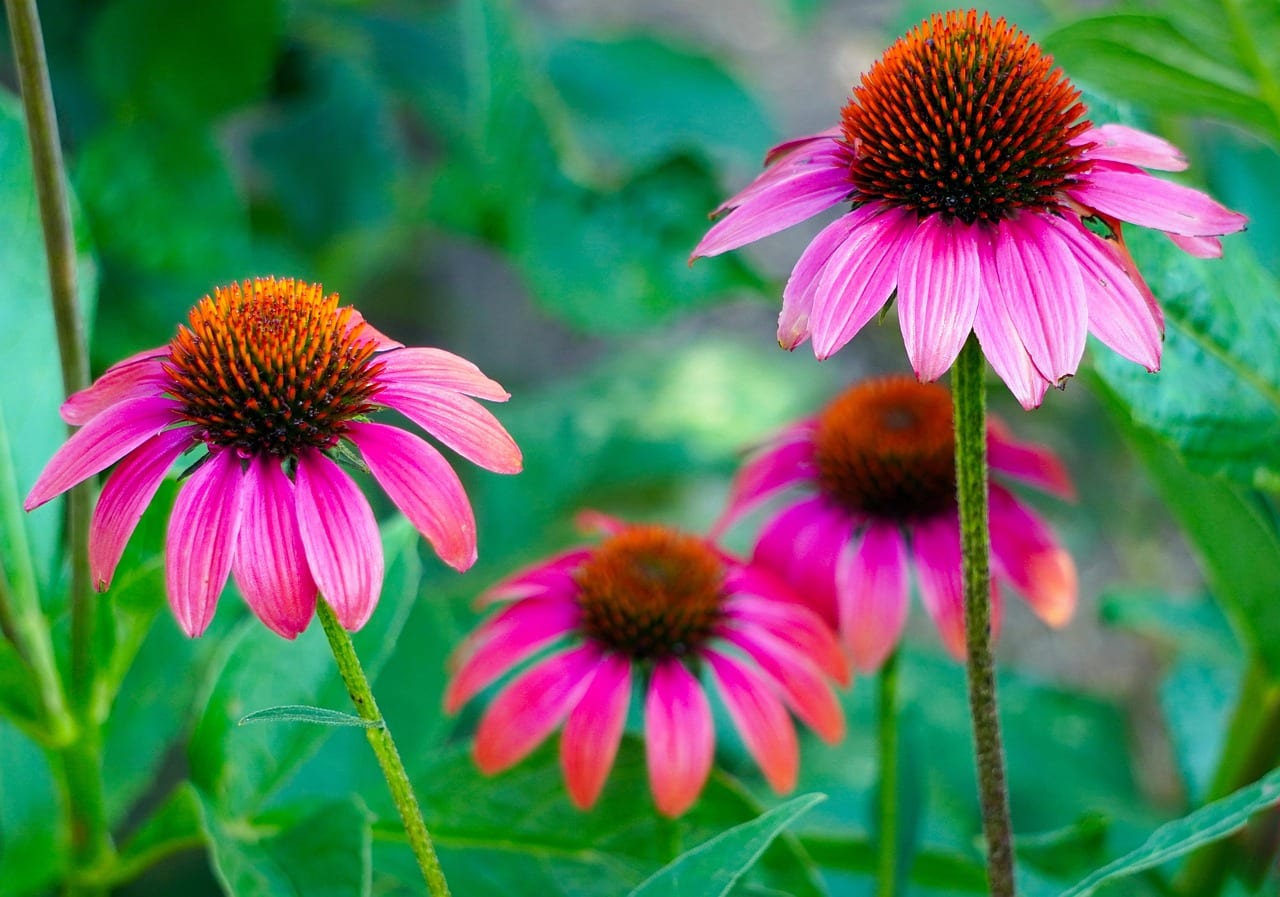
Echinacea purpurea (purple coneflower, Asteraceae) is by far the most frequently used phytotherapeutic substance in Switzerland for cold symptoms. The main preparation is Echinaforce (A. Vogel), an ethanolic extract from 95% flowering herb and 5% root; the Specialities List contains the sister preparations EchinaMed tablets and EchinaMed sore throat spray (combined with sage). [12,18]
HMPC classification: the EMA monograph lists Echinacea purpurea radix as well-established use for the prevention and treatment of colds (EMA/HMPC/424583/2016), and Echinacea purpurea herba recens as traditional use (EMA/HMPC/48704/2014). The Commission E monograph and ESCOP list comparable indications. [19,20]
Evidence — Cochrane 2014: the systematic review by Karsch-Völk and colleagues (Cochrane Database Syst Rev 2014) evaluated 24 double-blind studies with a total of 4,631 participants. [8] Because of considerable heterogeneity in the Echinacea preparations used (different species, plant parts, extraction methods), the authors refrained from a pooled main analysis. They conclude that alcoholic extracts and pressed juices based on the aerial parts of E. purpurea may have favourable effects on cold symptoms in adults, but that the evidence for clinically relevant treatment effects is weak.
New 2025 meta-analysis in children: a systematic review and meta-analysis published in April 2025 (Complementary Therapies in Medicine, 9 RCTs with n=3,169) shows for Echinacea purpurea in paediatric uRTI a reduction in duration of treatment (SMD −0.19), in incidence (RR 0.81, 95% CI 0.75–0.87) and — clinically particularly relevant — in antibiotic use by more than 80 per cent (RR 0.18, 95% CI 0.13–0.25). [7] Adverse events were slightly increased (RR 1.38).
Swiss care reality: Echinaforce is not on the Specialities List and is thus purely self-medication. EchinaMed tablets and EchinaMed sore throat spray, by contrast, are reimbursed (with a medical prescription), which can be relevant in at-risk patients or recurrent infections. [12] Supplementary insurance for complementary medicine covers 75–90 per cent of phytotherapy costs at most large Swiss health insurers.
Contraindications and caution: Echinacea is contraindicated in allergy to Asteraceae. On theoretical grounds, Echinacea preparations are not recommended in progressive systemic diseases such as tuberculosis, leukaemias, collagenoses, multiple sclerosis, AIDS, HIV infection and other autoimmune diseases, nor under immunosuppressive therapy — this precaution rests not on documented harm signals but on the immunomodulatory mechanism of action.
1,8-cineole (eucalyptol, Soledum forte)
1,8-cineole (eucalyptol, the main component of eucalyptus oil, 77–84%) is a monoterpenoid oxide with documented mucolytic, anti-inflammatory, bronchodilatory and antimicrobial action. In Switzerland, 1,8-cineole is available above all in the form of gastro-resistant soft capsules (Soledum forte, Bronchoforton).
Evidence: three placebo-controlled randomised studies are particularly relevant:
Fischer and Dethlefsen (Cough 2013) examined 242 patients with acute bronchitis in a double-blind, placebo-controlled study. The group treated with 200 mg of cineole three times daily showed a significantly greater reduction of the Bronchitis Sum Score compared with placebo after four days of treatment (p = 0.0383). [9]
Kehrl, Sonnemann and Dethlefsen (Laryngoscope 2004) tested cineole in 152 patients with acute, non-purulent rhinosinusitis and found a faster improvement of symptoms compared with placebo. [10]
Worth, Schacher and Dethlefsen (Respiratory Research 2009) showed in a double-blind study in 242 COPD patients, with 200 mg of cineole three times daily over six months, a reduction of the mean exacerbation rate. [11]
A current systematic review from 2025 (Laryngoscope Investig Otolaryngol) confirms the evidence for 1,8-cineole in acute rhinosinusitis compared with placebo and with phytotherapeutic comparator preparations. [21]
Practical dosage: standard dose 200 mg 3× daily, at least 30 minutes before eating, in acute bronchitis for 4–10 days. Not recommended in children under 12 years (risk of aspiration with liquid eucalyptus preparations). With inhalation, extreme caution in children under 2 years because of the risk of laryngospasm.
Thyme–ivy combination (Bronchipret)
Thyme (Thymus vulgaris) and ivy (Hedera helix) are frequently used in Switzerland as a fixed combination; the best-known brand is Bronchipret in syrup and drop form (BNO 1200, manufactured by Bionorica). Thyme has antimicrobial (thymol, carvacrol), spasmolytic and secretomotor effects; ivy contains saponins with expectorant and bronchodilatory action.
Evidence: the phase IV study by Kemmerich (Drug Res 2007, n=361) shows for the thyme–ivy fixed combination, compared with placebo, a significant reduction in coughing fits and in the Bronchitis Severity Score over 11 days of treatment. [22] A Swiss pharmacy-based observational study (Kruttschnitt et al. 2020, n=139) confirmed the effectiveness of an ivy mono-preparation (EA 575) compared with acetylcysteine. [23]
Hedera helix mono-preparation: the updated systematic review by Holzinger and Chenot (Eur J Clin Pharmacol 2021) evaluates 6 RCTs, 1 CCT and 4 observational studies and concludes: ivy preparations are safe to use for cough due to acute uRTI and bronchitis, the effects are at best minimal and of uncertain clinical relevance. [24] This assessment must be made transparent in counselling.
Practical dosage of Bronchipret syrup: adults and adolescents: 5.4 ml 3× daily; children 6–11 years: 4.0 ml 3× daily; children 2–5 years: 3.2 ml 3× daily. The drop formulation contains alcohol — prefer the syrup in children.
Ribwort plantain (Plantago lanceolata)
Ribwort plantain (Plantago lanceolata) is traditionally used for irritation of the mouth and throat mucosa and the associated dry, irritating cough. The HMPC monograph lists ribwort plantain leaves as traditional use (EMA/HMPC/437858/2010 Corr.). [25] The effect rests on mucilages that form a protective film on the mucous membranes, as well as on iridoid glycosides (aucubin, catalpol) with anti-inflammatory and antimicrobial activity.
In Switzerland, ribwort plantain is available in numerous cough remedies: as fresh plant pressed juice, syrup, sweets and in combination products (e.g. Drosinula from A. Vogel as a combination with sundew). Ribwort plantain sweets and lozenges are a sensible recommendation for dry, irritating cough and sore throat with mucosal irritation — with the qualification that these are traditional use preparations that develop their effect through local action on the mucosa. With a pronounced irritating cough, marshmallow root (Althaea officinalis radix, HMPC traditional use, EMA/HMPC/436680/2015) is also a well-documented option; its mucilages (polysaccharides) form a comparable mucosal protective film. Swiss preparations contain marshmallow root for example in Phytopharma cough syrups as well as in combination preparations with ribwort plantain.
Sage and throat complaints
In acute pharyngitis without indications of streptococcal tonsillopharyngitis (Centor score 0–2, no fever, no exudate, no lymph node swelling), symptomatic self-medication is the treatment of choice. Sage (Salvia officinalis, HMPC well-established use for topical application) has documented astringent and antimicrobial properties; the EchinaMed sore throat spray (A. Vogel) combines sage extract with Echinacea and is on the Specialities List in Switzerland. [12,26] A comparative study showed for the sage–Echinacea spray an effectiveness comparable to a chlorhexidine–lidocaine combination in acute pharyngitis. [27]
Swiss care and tariff reality
The Swiss care reality for herbal medicines in respiratory infections is heterogeneously structured:
Self-medication (dispensing category D, OTC): the great majority of the relevant preparations — Kaloba and Umckaloabo (Pelargonium), Echinaforce in all dosage forms, Bronchipret, Soledum forte, Drosinula, ribwort plantain sweets and syrups — belong to self-medication. Counselling takes place in the pharmacy in accordance with the corresponding LOA V tariff positions (medicine safety check, and where applicable the patient safety check for regular customers with a file).
Specialities List (reimbursed by compulsory health insurance): individual herbal medicines are on the Specialities List and covered by compulsory health insurance when medically prescribed. In the field of respiratory infections these are above all EchinaMed tablets (Echinacea purpurea, A. Vogel) and EchinaMed sore throat spray (sage–Echinacea combination, A. Vogel). [12] This possibility is relevant in patients with chronic bronchitis, recurrent respiratory infections or cost-sensitive constellations.
Medical phytotherapy as complementary medicine: since 1999 (provisionally) and permanently since 2017, medical services of phytotherapy have been mandatory benefits of compulsory health insurance (art. 4b of the health care benefits ordinance). [29] A precondition is a federal specialist title with complementary medicine further training. The Swiss Medical Society for Phytotherapy SMGP supervises the field scientifically.
Supplementary insurance: practically all large Swiss health insurers (CSS, Helsana, Sanitas, KPT, Swica and others) offer, in their complementary medicine supplementary insurance, reimbursement of 50–90 per cent for herbal medicines, as a rule with a ceiling of CHF 500–3,000 per calendar year. The precondition is usually a medical prescription or a prescription by a recognised therapist.
What is frequently asked at the counter
Four typical counselling situations in the Swiss pharmacy:
1. «I’ve had a cough since yesterday — can you recommend something herbal?»
First question: productive cough (with sputum) or dry, irritating cough? With a dry, irritating cough, ribwort plantain preparations (syrup, sweets) and marshmallow root are sensible. With a productive cough with bronchitis symptoms in adults, there is a choice between Pelargonium sidoides (EPs 7630 / Kaloba), the thyme–ivy fixed combination (Bronchipret) and 1,8-cineole (Soledum forte). All three have placebo-controlled RCT evidence. Pelargonium is preferred where an immunomodulatory component is also desired; cineole for cough needing expectoration and pronounced mucus problems; thyme–ivy as a well-tolerated option with a long tradition of use. With symptom persistence beyond 7–10 days, high fever, sputum with purulent or bloody discoloration, dyspnoea or risk populations (COPD, immunosuppression, ≥75 years), the assessment belongs in medical hands.
2. «My child has a cold and has been coughing for two days — do I need antibiotics?»
In children with acute uRTI without signs of complication, antibiotics are not indicated in the great majority of cases (over 90% viral origin). [1,2] Concretely to be recommended: Pelargonium sidoides is authorised in Switzerland as Kaloba or Umckaloabo drops from 2 years (Swissmedic Compendium); the EU HMPC monograph extended its recommendation in revision 2 (29 May 2024) to children from 3 years (previously from 6 years). Thyme–ivy syrup (Bronchipret syrup) is authorised from 2 years; Echinacea purpurea (EchinaMed Junior, Echinaforce Junior) from 4 years. A new meta-analysis from 2025 shows for Echinacea in children a reduction of antibiotic prescriptions by more than 80 per cent (RR 0.18). [7] Draw parents’ attention to the following warning signs: breathing difficulty, high fever >39 °C over 3 days, poor drinking, marked deterioration of general condition, symptom persistence beyond 10 days — then a medical consultation.
3. «I’m already taking Pelargonium, and now I have a sore throat as well. Can I take both?»
Pelargonium sidoides drops act systemically (immunomodulatory and antiviral); a sage or Echinacea–sage spray acts locally on the pharyngeal mucosa. The combination is unproblematic and also clinically sensible. EchinaMed sore throat spray or sage lozenges are the obvious recommendation here. With a Centor score ≥3 (fever >38 °C, tonsillar exudate, painfully swollen cervical lymph nodes, no cough), refer to the family doctor for assessment of group A streptococcal pharyngitis.
4. «Is it enough if I take Echinacea to avoid catching a cold?»
The evidence for Echinacea in prophylaxis is heterogeneous. The 2014 Cochrane review found no statistically significant differences on the question of «at least one cold episode» between Echinacea and placebo groups; a four-month study published in 2012 (Jawad et al., n=755) with Echinaforce, by contrast, showed a preventive effect with a reduction in the number of episodes and in the duration of symptoms. [28] Communicate honestly in counselling: Echinacea may slightly reduce the frequency and severity of colds, but it is not a reliable mechanism of avoidance. General measures (hand hygiene, sufficient sleep, exercise, a balanced diet, vaccinations according to the Swiss vaccination schedule) are more robustly documented in prevention.
Safety, contraindications, interactions
Pelargonium sidoides: overall very well tolerated. Occasional adverse effects: gastrointestinal complaints, allergic skin reactions. Earlier safety signals on hepatotoxic events (Sweden, 2011) were put into perspective by subsequent systematic evaluations; the HMPC revision 2 of 29 May 2024 explicitly extends the target population to children from 3 years. [4,30] No known clinically relevant interactions with commonly prescribed medicines.
Echinacea purpurea: contraindications are allergy to Asteraceae, progressive systemic diseases (tuberculosis, leukaemias, collagenoses, multiple sclerosis, HIV infection) and autoimmune diseases under immunosuppressive therapy. [19,20] The data on actual harm in such constellations are limited; the precautionary recommendation is mechanistically grounded, not clinically documented. In pregnancy, Echinacea purpurea can be used short-term (≤7 days); the prospective Motherisk study by Gallo and colleagues (Arch Intern Med 2000) compared 206 Echinacea-exposed pregnant women with 206 age- and risk-matched controls without significant differences in major malformations or other pregnancy outcomes. Allergic reactions occur occasionally (rarely anaphylaxis in those sensitised to Asteraceae).
1,8-cineole: stomach complaints, rarely gastrointestinal intolerance, allergic reactions. Caution in children under 2 years (risk of laryngospasm with direct intake); in bronchial asthma bronchospasm is theoretically possible but was not documented in the clinical studies.
Interaction potential: Pelargonium coumarins have occasionally been discussed as theoretically enhancing the effect of oral anticoagulants; relevant clinical evidence for this is lacking. In patients on vitamin K antagonists or direct oral anticoagulants (DOACs) and simultaneously using phytotherapy at high frequency, deliberate documentation in the patient file is sensible, but clinically compelling restrictions do not follow from the current data. [4,5]
Practice tool: decision table for phytotherapy in respiratory infections
| Symptom picture | First-choice recommendation | Level of evidence | Caveat |
|---|---|---|---|
| Acute bronchitis in adults, productive cough | Pelargonium sidoides or 1,8-cineole or thyme–ivy combination | HMPC traditional or well-established, several RCTs | Refer to a doctor with persistence >10 days, fever, dyspnoea |
| Acute bronchitis in children (productive) | Pelargonium sidoides drops (in CH from 2 yrs; HMPC extension to 3–5 yrs since 5/2024) | HMPC traditional, RCTs for 6–18 year-olds | Check nursing warning signs; antibiotics only with a clear indication |
| Dry, irritating cough | Ribwort plantain syrup or sweets; marshmallow root | HMPC traditional, mucilage action | With long persistence (>3 weeks), investigate the cough |
| Acute, non-purulent rhinosinusitis | 1,8-cineole 200 mg 3×/day; possibly Pelargonium | RCT evidence (Kehrl 2004 Laryngoscope) | With sinusitis complications (frontal pain, unilateral symptoms, check antibiotic indication) family doctor |
| Cold prophylaxis | Echinacea purpurea (Echinaforce) | Cochrane 2014 heterogeneous, individual preventive studies positive | Rule out Asteraceae allergy and autoimmune disease |
| Pharyngitis without indications of GAS | Sage–Echinacea spray or lozenges | Comparable to chlorhexidine–lidocaine (Schapowal 2009, n=154) | Centor score ≥3 → family doctor assessment |
| Cold symptoms in children 2–6 yrs | Thyme–ivy syrup (Bronchipret syrup) from 2 yrs; Pelargonium from 3 yrs | RCTs, HMPC | With breathing difficulty, high fever, immediate medical attention |
| Recurrent infections (≥4/year) | Family doctor consultation; possibly EchinaMed tablets (Specialities List) | Echinacea prevention studies individually positive | Consider immunological assessment |
| Adults on anticoagulation | Pelargonium or Echinacea in principle possible | No hard clinical data on interactions | Document in the patient file, inform the family doctor |
Outlook 2026/2027
Three developments will shape the coming years for phytotherapy in respiratory infections in the Swiss pharmacy.
First: the Swiss antibiotic stewardship strategy StAR with its One Health action plan 2024–2027 will further enhance the counselling role of the pharmacy. The ASAP project (Antimicrobial Stewardship in Ambulatory care Platform) is increasingly involving pharmacists as well. [13,15] The likely entry into force of individual dispensing of antibiotics (consultation until the end of 2026, followed by legislative implementation) will further strengthen the role of the pharmacy as a critical switching point: whoever dispenses antibiotics only in the quantity necessary per course of treatment necessarily sees the patients, documents the dispensing and can at the same time offer phytotherapeutic alternatives for symptomatic accompanying treatment. [15]
Second: the health insurance act revision of 21 March 2025 (cost-dampening package 2) creates, from presumably 1 January 2027, the basis for billing certain pharmacy services through compulsory health insurance independently of the dispensing of medicines — including explicitly medication review, medication reconciliation, therapy optimisation and adherence promotion (myCare Start). [31] Structured counselling on recurrent respiratory infections could in due course be integrated into these reimbursable services, with considerable potential for the pharmacist trained in phytotherapy.
Third: the HMPC monographs are continuously revised. The Pelargonium revision 2 (29 May 2024) with the extension to children from 3 years is only one example. [4] Anyone wanting to stay up to date with the evidence in the pharmacy should use the HMPC monographs (available at ema.europa.eu) and the ESCOP monographs as reference works alongside PharmaWiki and the Swiss medicines compendium. The Swiss Medical Society for Phytotherapy SMGP also offers high-quality continuing education for pharmacists. [32]
Case vignette
Mr K., 47 years old, comes in on Thursday morning with a cough of five days’ standing, yellowish sputum, mild headache, no fever. He asks: «I think I need antibiotics — can’t you give me something? I can’t get to my family doctor, I have a business trip tomorrow.»
The pharmacist establishes the central points. A productive cough with yellowish secretion for five days; no fever, no breathlessness, no chest pain; no pre-existing conditions, no asthma, no smoking; no risk medication; no allergies. On auscultation — as far as possible with a stethoscope in a quiet back room — a slight wheeze without crepitation.
She explains: antibiotics are not indicated in this constellation. The yellow colouring of the secretion is not an indication of a bacterial infection but of neutrophil granulocytes — which also occur in viral infections. The SSI guidelines and the BIHAM decision aids show clearly: in acute uncomplicated bronchitis without risk factors, symptomatic treatment is standard. [13,14] She points Mr K. to the possibility of a telemedical family doctor consultation the same afternoon (through Medi24 or similar) should he want a medical confirmation.
For symptomatic therapy she recommends: Pelargonium sidoides (Kaloba drops, 30 drops 3× daily over 7 days) or alternatively 1,8-cineole capsules (Soledum forte, 200 mg 3× daily before eating). She explains the choice: Pelargonium has a somewhat broader immunomodulatory effect, cineole more expectorant properties.
Mr K. decides on Kaloba. The pharmacist gives him supplementary advice: drink enough, nasal rinses with sea salt, paracetamol or ibuprofen as needed for the headache, no antitussive during the day (he should cough the mucus up), if necessary a codeine-containing antitussive at night (dispensing category B+ — consultation and documentation). She documents the counselling in the patient file (LOA V pos. 3004.00, patient safety check).
She tells Mr K. finally: if the symptoms have not subsided after seven days, if fever, dyspnoea or pronounced general symptoms are added, or if he feels uncertain on the business trip — a medical consultation at any time, telemedical or in person. She writes the emergency number of the family doctor walk-in service near his destination on the receipt.
Three take-aways from the case
- The pharmacy is frequently the first — and sometimes the only — source of advice in acute viral respiratory infections. It is here that the decision is made whether a patient goes home with self-purchased phytotherapy or is referred to the family doctor.
- Antibiotic stewardship does not begin with the family doctor. It begins in the pharmacy, with the calm, evidence-based counselling on a symptom that patients would very probably have confronted with a demand for an antibiotic without pharmaceutical support.
- Phytotherapy does not replace the checking of the indication. It is part of it.
In brief
- Acute respiratory infections are >90% viral — antibiotics are not indicated in the majority. Phytotherapy is an evidence-supported standard option, not a “softer alternative”.
- Pelargonium sidoides (Kaloba/Umckaloabo) is, after HMPC revision 2 (29.5.2024), authorised from 3 years and has solid RCT evidence for acute bronchitis (BSS reduction of 2.80 points vs. placebo).
- Echinacea purpurea (Echinaforce, EchinaMed) has HMPC well-established use; a new 2025 meta-analysis shows in children a reduction of antibiotic prescriptions of more than 80 per cent (RR 0.18).
- 1,8-cineole (Soledum forte) has RCT evidence for acute bronchitis, non-purulent rhinosinusitis and COPD exacerbation; dose 200 mg 3× daily.
- Counselling in the antibiotic stewardship context: symptom persistence >10 days, high fever, dyspnoea, risk populations → medical consultation. Everything else: symptomatic phytotherapy and observation of the course.
- Swiss tariff reality: most herbal medicines are self-medication (dispensing category D); EchinaMed tablets and sore throat spray are on the Specialities List and reimbursed by compulsory health insurance. Supplementary insurance reimburses 50–90% of phytotherapy costs.
References
- Bundesamt für Gesundheit (BAG) und Bundesamt für Lebensmittelsicherheit und Veterinärwesen (BLV). Strategie Antibiotikaresistenzen Schweiz (StAR), One Health-Aktionsplan 2024–2027. Verabschiedet vom Bundesrat am 26. Juni 2024. Verfügbar unter: star.admin.ch.
- ANRESIS – Schweizerisches Zentrum für Antibiotikaresistenzen. Swiss Antibiotic Resistance Report (SARR) 2024 – Usage of Antibiotics and Occurrence of Antibiotic Resistance in Switzerland. Bern: BAG/BLV; 18. November 2024. (Ambulanter Verbrauch 9.4 DID 2023; 87% in ambulanten Praxen; 30% Antibiotikaverschreibungen für obere Atemwege, 28% für Harnwege bei Hausärzt:innen.)
- drugshortage.ch (Initiator: Enea Martinelli, Chefapotheker FMI). Aktuelle Lieferengpässe in der Schweiz – Stand Ende 2025: knapp 600 nicht lieferbare Präparate.
- European Medicines Agency, Committee on Herbal Medicinal Products (HMPC). European Union herbal monograph on Pelargonium sidoides DC; Pelargonium reniforme Curt., radix. Revision 2, final. EMA/HMPC/648100/2022; 29. Mai 2024. (Traditional Use; neu Erweiterung der Zielpopulation auf Kinder ab 3 Jahren.)
- Timmer A, Günther J, Motschall E, Rücker G, Antes G, Kern WV. Pelargonium sidoides extract for treating acute respiratory tract infections. Cochrane Database Syst Rev. 2013;(10):CD006323. DOI: 10.1002/14651858.CD006323.pub3.
- Agbabiaka TB, Guo R, Ernst E. Pelargonium sidoides for acute bronchitis: a systematic review and meta-analysis. Phytomedicine. 2008;15(5):378–385. (BSS-Reduktion vs. Placebo: WMD 2.80 Punkte; 95% KI 2.44–3.15.) Ergänzend: Matthys H, Lehmacher W, Zimmermann A, et al. EPs 7630 in acute respiratory tract infections – a systematic review and meta-analysis. J Lung Pulm Respir Res. 2016;3(1):4–15.
- Echinacea purpurea pediatric URTI Meta-Analyse: “Efficacy and safety of Echinacea purpurea in treating upper respiratory infections and complications of otitis media in children: Systematic review and meta-analysis.” Complement Ther Med. 2025. PMID: 40311928. (n=3'169; URTI-Inzidenz RR 0.81 [95% KI 0.75–0.87]; Antibiotikaverbrauch RR 0.18 [95% KI 0.13–0.25].)
- Karsch-Völk M, Barrett B, Kiefer D, Bauer R, Ardjomand-Woelkart K, Linde K. Echinacea for preventing and treating the common cold. Cochrane Database Syst Rev. 2014;(2):CD000530. DOI: 10.1002/14651858.CD000530.pub3. (24 doppelblinde RCTs, n=4'631; Heterogenität gross, schwache Hinweise auf Effekt bei E. purpurea aerial parts.)
- Fischer J, Dethlefsen U. Efficacy of cineole in patients suffering from acute bronchitis: a placebo-controlled double-blind trial. Cough. 2013;9(1):25. DOI: 10.1186/1745-9974-9-25.
- Kehrl W, Sonnemann U, Dethlefsen U. Therapy for acute nonpurulent rhinosinusitis with cineole: results of a double-blind, randomized, placebo-controlled trial. Laryngoscope. 2004;114(4):738–742.
- Worth H, Schacher C, Dethlefsen U. Concomitant therapy with cineole (eucalyptole) reduces exacerbations in COPD: a placebo-controlled double-blind trial. Respir Res. 2009;10:69.
- Schweizerisches Heilmittelinstitut Swissmedic. Liste der zugelassenen Arzneimittel mit Abgabekategorien. Bern: Swissmedic; laufend aktualisiert. Ergänzend: Bundesamt für Gesundheit (BAG). Spezialitätenliste (SL): EchinaMed Tabletten und EchinaMed Halsschmerzspray (A. Vogel) sind kassenzulässig.
- Schweizerische Gesellschaft für Infektiologie (SSI). Antibiotika-Richtlinien. Verfügbar unter: ssi.guidelines.ch. Ergänzend: Berner Institut für Hausarztmedizin (BIHAM). Entscheidungshilfen zur partizipativen Antibiotika-Entscheidungsfindung in der hausärztlichen Praxis.
- Kollegium für Hausarztmedizin (KHM). ASAP – Antimicrobial Stewardship in Ambulatory care Platform. Lanciert 2023, finanziell unterstützt durch das BAG im Rahmen der StAR-Strategie.
- Schweizerischer Bundesrat. Einzelabgabe von Antibiotika. Bericht in Erfüllung der Motion 17.3942 Tornare; Vernehmlassungsentwurf bis Ende 2026 angekündigt; verbindliche Einzelabgabe für Apotheken, freiwillig für Arztpraxen. Bern: admin.ch; 2025.
- Deutsche Gesellschaft für Allgemeinmedizin und Familienmedizin (DEGAM). S3-Leitlinie Akuter und chronischer Husten. Berlin: DEGAM; aktuelle Version mit Phytotherapie-Empfehlung als evidenzbasierte symptomatische Therapie bei akuter Bronchitis.
- Cinatl J Jr, Wass MN, Michaelis M. Multiple mechanisms enable broad-spectrum activity of the Pelargonium sidoides root extract EPs 7630 against acute respiratory tract infections. Front Pharmacol. 2024;15:1455870. DOI: 10.3389/fphar.2024.1455870.
- Schoop R, Klein P, Suter A, Johnston SL. Echinacea in the prevention of induced rhinovirus colds: a meta-analysis. Clin Ther. 2006;28(2):174–183. (Eine der frühen Meta-Analysen, die statistisch signifikante präventive Effekte zeigt – mit der Limitierung des experimentellen Designs.)
- European Medicines Agency, HMPC. European Union herbal monograph on Echinacea purpurea (L.) Moench, radix. EMA/HMPC/424583/2016; 30. Mai 2017. (Well-established Use: Prävention und Therapie von Erkältungskrankheiten.)
- European Medicines Agency, HMPC. European Union herbal monograph on Echinacea purpurea (L.) Moench, herba recens. EMA/HMPC/48704/2014 Corr.; 24. November 2015. (Traditional Use.)
- Schürmann M, Oppel F, Shao S, Volland-Thurn V, Kaltschmidt C, Kaltschmidt B, Scholtz LU, Sudhoff H. Rhinosinusitis Treatment with Cineole: Patient-Reported Quality of Life Improvements from a Non-Interventional, Pharmacy-Based Survey. PMC10301941. (Real-World-Daten zur Cineol-Therapie bei Rhinosinusitis.) Ergänzend: Aktuelle systematische Übersicht zu 1,8-Cineol in respiratorischen Erkrankungen: Matl et al. Effects of Essential Oils in the Treatment of Acute Rhinosinusitis: A Systematic Review. Laryngoscope Investig Otolaryngol. 2025;10:e70189.
- Kemmerich B. Evaluation of efficacy and tolerability of a fixed combination of dry extracts of thyme herb and ivy leaves in adults with acute bronchitis. A prospective, double-blind, placebo-controlled, multicentre clinical trial. Arzneimittelforschung (Drug Res). 2007;57(9):607–615. (n=361; signifikante BSS-Reduktion gegenüber Placebo.)
- Kruttschnitt E, Wegener T, Zahner C, Henatsch D. Assessment of the Efficacy and Safety of Ivy Leaf (Hedera helix) Cough Syrup Compared with Acetylcysteine in Adults and Children with Acute Bronchitis. Evid Based Complement Alternat Med. 2020;2020:1910656. (Schweizer Multizenterstudie, 25 Ärzt:innen, n=139.)
- Holzinger F, Chenot JF. Ivy leaf (Hedera helix) for acute upper respiratory tract infections: an updated systematic review. Eur J Clin Pharmacol. 2021;77(10):1455–1466. DOI: 10.1007/s00228-021-03090-4.
- European Medicines Agency, HMPC. Community herbal monograph on Plantago lanceolata L., folium. EMA/HMPC/437858/2010 Corr.; 28. Januar 2014. (Traditional Use: Mund-/Rachenreizung, trockener Reizhusten.)
- European Medicines Agency, HMPC. European Union herbal monograph on Salvia officinalis L., folium. (Well-established Use, topisch.)
- Schapowal A, Berger D, Klein P, Suter A. Echinacea/sage or chlorhexidine/lidocaine for treating acute sore throats: a randomized double-blind trial. Eur J Med Res. 2009;14(9):406–412. (Multizentrische Schweizer Studie, n=154; vergleichbare Wirksamkeit von Salbei-Echinacea-Spray und Chlorhexidin-Lidocain bei akuter Pharyngitis.)
- Jawad M, Schoop R, Suter A, Klein P, Eccles R. Safety and Efficacy Profile of Echinacea purpurea to Prevent Common Cold Episodes: A Randomized, Double-Blind, Placebo-Controlled Trial. Evid Based Complement Alternat Med. 2012;2012:841315. (n=755; präventiver Effekt mit Reduktion der Episodenzahl und Symptomdauer.)
- Eidgenössisches Departement des Innern (EDI). Krankenpflege-Leistungsverordnung (KLV), Art. 4b – Ärztliche Komplementärmedizin. Die Phytotherapie ist seit 2017 dauerhaft in der OKP-Pflicht. Bern: BAG; admin.ch.
- Teschke R, Frenzel C, Wolff A, Eickhoff A, Schulze J. Drug induced liver injury: accuracy of diagnosis in published reports. Ann Hepatol. 2014;13(2):248–255. (Differenzierte Auseinandersetzung mit den vereinzelt diskutierten hepatotoxischen Signalen von Pelargonium-Präparaten; methodische Kausalitätsprobleme in den Einzelfallberichten.)
- Schweizerisches Parlament. Revision des Bundesgesetzes über die Krankenversicherung (KVG), Artikel 25 und 26 – zweites Massnahmenpaket zur Kostendämpfung. Verabschiedung in der Schlussabstimmung am 21. März 2025; voraussichtliches Inkrafttreten 1. Januar 2027. Konkrete neue OKP-Leistungen für Apotheken: Impfen, Medikationsanalyse, Medikationsabgleich, Therapieoptimierung, Adhärenzförderung (myCare Start). pharmaSuisse Medienmitteilung 21.3.2025.
- Schweizerische Medizinische Gesellschaft für Phytotherapie SMGP. Pflanzliche Arzneimittel – Fachgesellschaft und Weiterbildung. Verfügbar unter: smgp-sspm.ch.