
Before the mortar: what the supply crisis changes in everyday pharmacy work
Supply shortages of medicines have become the new normal. A pharmacist describes how this is changing daily practice and why compounding is regaining importance — a look at the challenges and at the future of the profession.
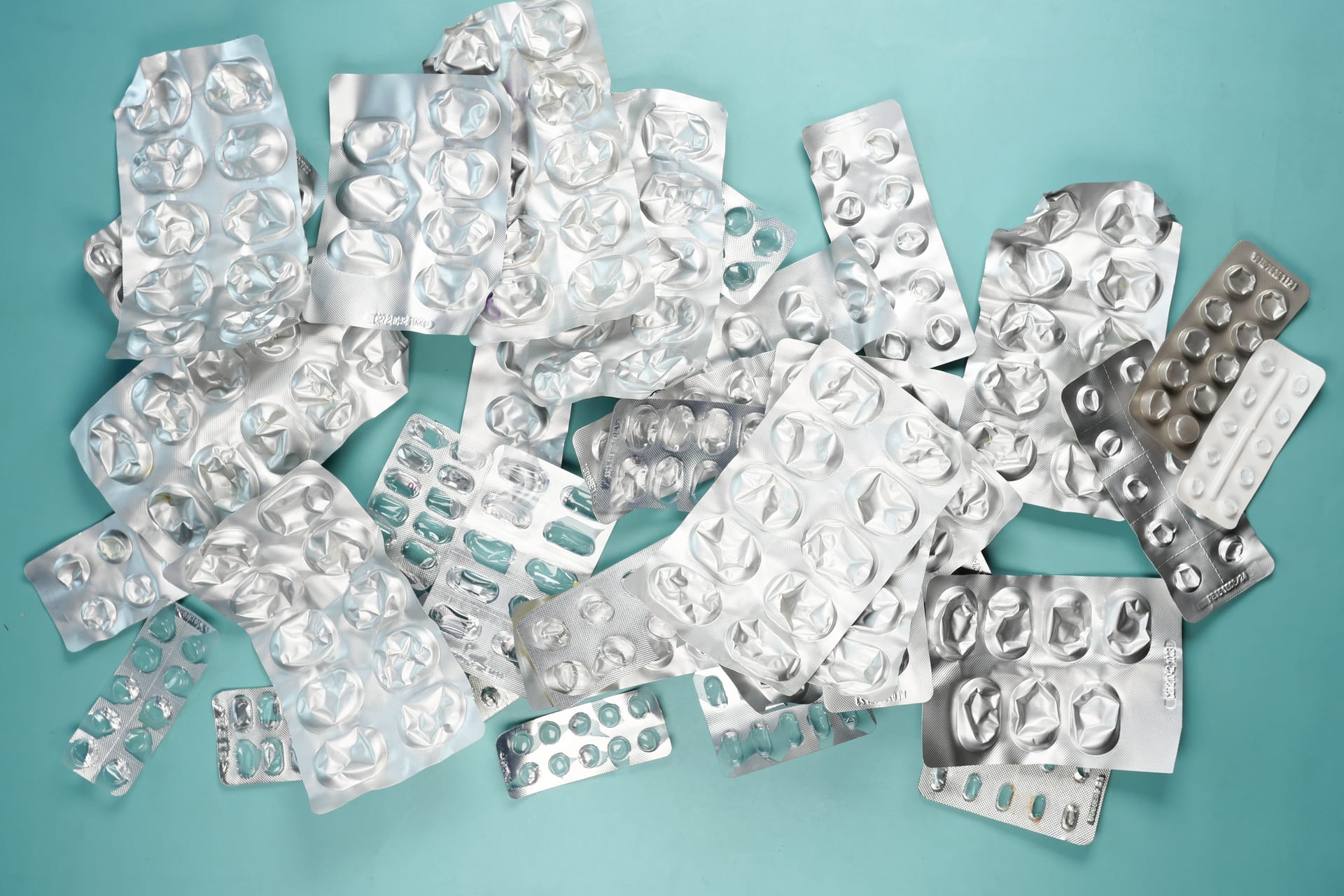
It is Monday morning, twenty past eight. I am stirring amoxicillin into a syrup base, forty milligrams per millilitre, one hundred and twenty millilitres, bottles with a label I am about to print. The industrial suspension — the ready-made bottle we have taken off the shelf for decades — has been unavailable for three weeks.
This happens regularly now. On drugshortage.ch, the platform the hospital pharmacist Enea Martinelli has run single-handedly for ten years, just under six hundred preparations are currently listed as unavailable. Four years ago there were two hundred and thirty. The Federal Office for National Economic Supply additionally keeps a list of around one hundred and forty so-called essential medicines that are missing. In 2017 there were forty-eight.
The antibiotics. The antihypertensives. The lipid-lowering drugs. The analgesics. Levothyroxine. Tamoxifen, the adjuvant breast cancer therapy. Last winter a labour-inducing agent was missing; individual hospitals fell back on the veterinary version. This is not a supply crisis as a state of emergency. This is Swiss pharmacy reality, February 2026.
The geography behind it is quickly told. The active ingredient amoxicillin that is going into my syrup today comes from two factories in India. Whatever those factories load onto the ships goes to the big markets first. We are not a big market. We are a small, well-paying side venue with a language of our own that nobody translates.
It has become fashionable to tell this angrily. I am not angry. I stir.
The syrup I am bottling right now has been covered by compulsory health insurance since the beginning of 2024 under Article 69b of the Health Insurance Ordinance — as a compounded preparation made from an active substance on the specialities list, produced because the industrial form is missing. The mother who collects it at ten o’clock will not notice any of this. Her child has otitis media, the GP has prescribed, she pays the co-payment she always pays. What she does not know is that what she carries home has been mixed with the same movements that were standard in this pharmacy sixty years ago. In 2026 we are doing again what we did in 1968.
That is not nostalgia. That is a diagnosis.
We live with a supply model designed in the late nineties — when the globalisation of active ingredient manufacturing counted as an efficiency gain and not as a security risk. The federal compulsory stockpiles were expanded in the 2000s, conceived for a world in which a single preparation fails twice a decade. Today something different fails every day. The Federal Council has sent a counter-proposal to the popular initiative “Yes to security of medical supply” out for consultation. What will come of it remains to be seen. What is certain: it changes nothing about the two factories in India.
What does change is here. In the pharmacy.
I do not believe that a pharmacy of the next ten years will look like a pharmacy of the last ten. We will compound more often ourselves. We will substitute, import and document more often, and explain to patients why the pack looks different. We will become the place that translates what the global supply chain no longer delivers.
Perhaps that is not the worst thing that can happen to us as a profession.
The syrup is finished. Labelled. Half past nine. The mother is on time.