
When heart and brain are not the same age: why our organs age differently
A person can be biologically 50 years old and at the same time have organs that biologically correspond more to a 40- or a 70-year-old. What long counted as theory is increasingly being confirmed by modern biomarker research: organs do not age in step. While the heart may still be astonishingly fit, the liver, kidneys or brain already show clear ageing processes. For longevity research this insight opens up entirely new possibilities for detecting age-related diseases earlier and preventing them more precisely. At the same time it fundamentally challenges previous notions of “biological age”.
Key points
- Organs age at different speeds and can show a biological age that deviates markedly from chronological age.
- Blood-based proteomic analyses make an organ-specific determination of biological ageing possible for the first time.
- A prematurely aged organ markedly increases the risk of later disease and mortality.
Why do organs age differently?
Classic geriatric medicine long assumed that ageing affects the whole organism evenly. More recent research, however, shows a considerably more complex picture.
Every organ is exposed to different burdens. The skin reacts to UV radiation, the liver to metabolic processes and alcohol, the lungs to environmental pollution and the brain to neurodegenerative changes. Genetic factors, inflammatory processes, blood flow, nutrition and individual habits are added to this.
The result: organs develop their own rates of ageing.
A concept in ageing research that attracts much attention today therefore no longer describes a human being as an organism that ages evenly, but as a “mosaic of organ systems ageing at different rates”¹.
The breakthrough: measuring the age of individual organs in the blood
A 2023 study by researchers at Stanford University caused a considerable stir. Using modern proteomic analyses, thousands of blood proteins that can be assigned specifically to different organs were examined².
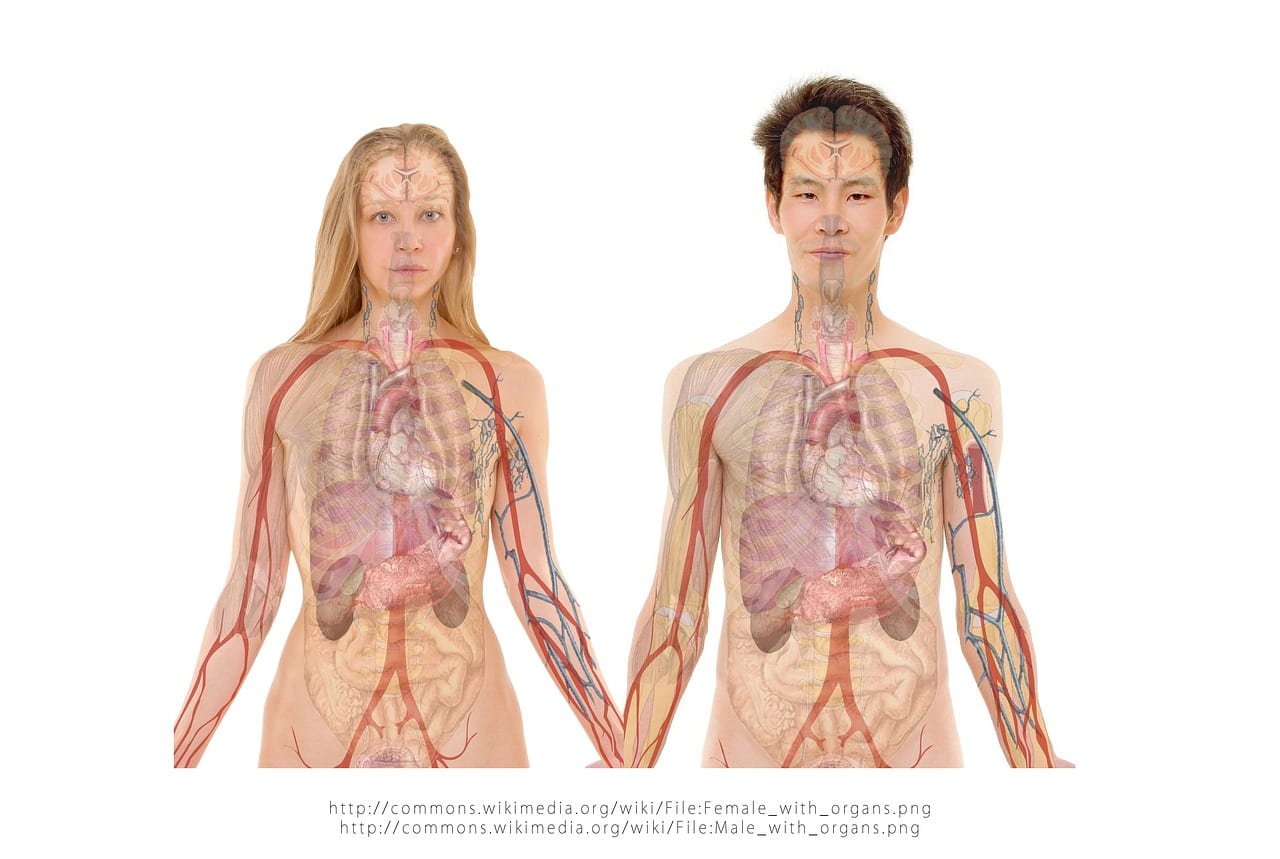
On the basis of these protein patterns, the scientists were able to determine the biological age of individual organs, including:
- brain
- heart
- liver
- kidneys
- lungs
- immune system
- vascular system
- musculature
The result surprised even the researchers:
In roughly one in five people, at least one organ showed a biological age markedly above their actual chronological age².
More remarkable still: people with a prematurely aged organ subsequently developed the corresponding diseases significantly more often.
A biologically “old” heart, for instance, markedly increased the risk of cardiovascular disease. An accelerated ageing brain was accompanied by an increased risk of cognitive impairment and neurodegenerative disease².
The brain: particularly sensitive to ageing processes
Among all the organs, the brain is currently a particular focus of longevity research.
Recent investigations show that measurable changes can occur decades before the first symptoms³.
The most important influencing factors include:
- chronic inflammation
- insulin resistance
- lack of sleep
- lack of exercise
- high blood pressure
- social isolation
Particularly interesting is the observation that the biological age of the brain can evidently be influenced by lifestyle more strongly than was long assumed⁴.
Regular physical activity, a Mediterranean diet and good sleep are now associated with slower brain ageing.
The heart often ages earlier than assumed
Cardiovascular disease remains the most frequent cause of death worldwide.
Studies show that arterial vessels can develop signs of ageing decades before clinical symptoms appear⁵.
These include:
- vascular stiffening
- endothelial dysfunction
- chronic micro-inflammation
- mitochondrial dysfunction
Interestingly, the biological age of the vessels appears to be influenced more strongly by lifestyle than by actual chronological age⁶.
Smoking, lack of exercise and metabolic syndrome accelerate vascular ageing considerably.
The liver: the underestimated longevity organ
While the heart and brain receive great attention, the liver is increasingly moving into the focus of ageing research.
The globally rising prevalence of non-alcoholic fatty liver disease (NAFLD) means that even younger people are developing early signs of accelerated organ ageing⁷.
The liver influences numerous processes:
- glucose metabolism
- lipid metabolism
- detoxification
- hormone regulation
- inflammation control
More recent data suggest that a metabolically healthy liver could be a central factor in healthy ageing⁸.
The immune system: the pacemaker of ageing?
Another field of research is concerned with so-called immune ageing (“immunosenescence”).
With increasing age the composition of immune cells changes. At the same time chronic background inflammation increases — a phenomenon described as “inflammaging”⁹.
Many scientists now regard this process as one of the most important drivers of age-associated disease.
Chronic low-grade inflammation is associated with numerous conditions:
- atherosclerosis
- type 2 diabetes
- cancer
- Alzheimer’s disease
- sarcopenia
Controlling inflammatory processes is therefore considered one of the most promising targets of modern longevity strategies.
What does this mean for the future of medicine?
The insight that organs age differently could fundamentally change preventive medicine.
Instead of assessing a person’s age as a single figure, organ-specific ageing profiles could be drawn up in future.
Possible applications:
- early risk detection
- personalised prevention programmes
- targeted lifestyle interventions
- individually adapted screening programmes
- better evaluation of longevity therapies
The first biotech companies are already working on blood tests intended to determine the biological age of individual organs.
Many of these procedures are still in research. Experts assume, however, that organ-specific age markers could increasingly find their way into clinical practice in the coming years.
What does this mean for pharmacists?
An interesting new counselling field is emerging for pharmacists. Modern longevity medicine shifts the focus from treating individual diseases towards preserving organ function.
Classic counselling topics thereby gain additional importance:
- blood pressure control
- exercise
- nutrition
- sleep quality
- smoking cessation
- weight management
- UV protection
- vaccinations
Because in the end it is not the date of birth that decides healthy ageing, but how well the individual organ systems can maintain their function over decades.
In brief
A person’s biological age is not a single value. Heart, brain, liver and immune system age at different speeds and react individually to lifestyle, environment and genetic factors. Research is still at an early stage, but much already suggests that the future of longevity medicine lies in organ-specific prevention — with the aim of living not only longer but above all healthier.
References
- López-Otín C et al. The hallmarks of aging. Cell. 2023;186(2):243–278.
- Oh J et al. Organ aging signatures in the plasma proteome track health and disease. Nature. 2023;624(7990):164–172.
- Livingston G et al. Dementia prevention, intervention, and care. The Lancet. 2024;403(10432):1168–1224.
- Erickson KI et al. Physical activity, cognition and brain outcomes. Nature Reviews Neurology. 2024;20(2):89–103.
- North BJ, Sinclair DA. The intersection between aging and cardiovascular disease. Circulation Research. 2023;132(4):497–515.
- Ungvari Z et al. Mechanisms of vascular aging. Nature Reviews Cardiology. 2024;21(1):36–55.
- Younossi ZM et al. Global epidemiology of NAFLD. Nature Reviews Gastroenterology & Hepatology. 2024;21(2):79–94.
- Le Couteur DG et al. The liver and healthy aging. Ageing Research Reviews. 2023;84:101822.
- Franceschi C et al. Inflammaging and immunosenescence. Nature Reviews Immunology. 2024;24(1):1–16.