
Between the counter and exhaustion: burnout prevention in the pharmacy
Between the skills shortage, rising customer expectations and administrative pressure, many pharmacy staff are increasingly reaching the limits of what they can bear. Why burnout prevention has long been a central issue in health care, and which measures can relieve teams sustainably.
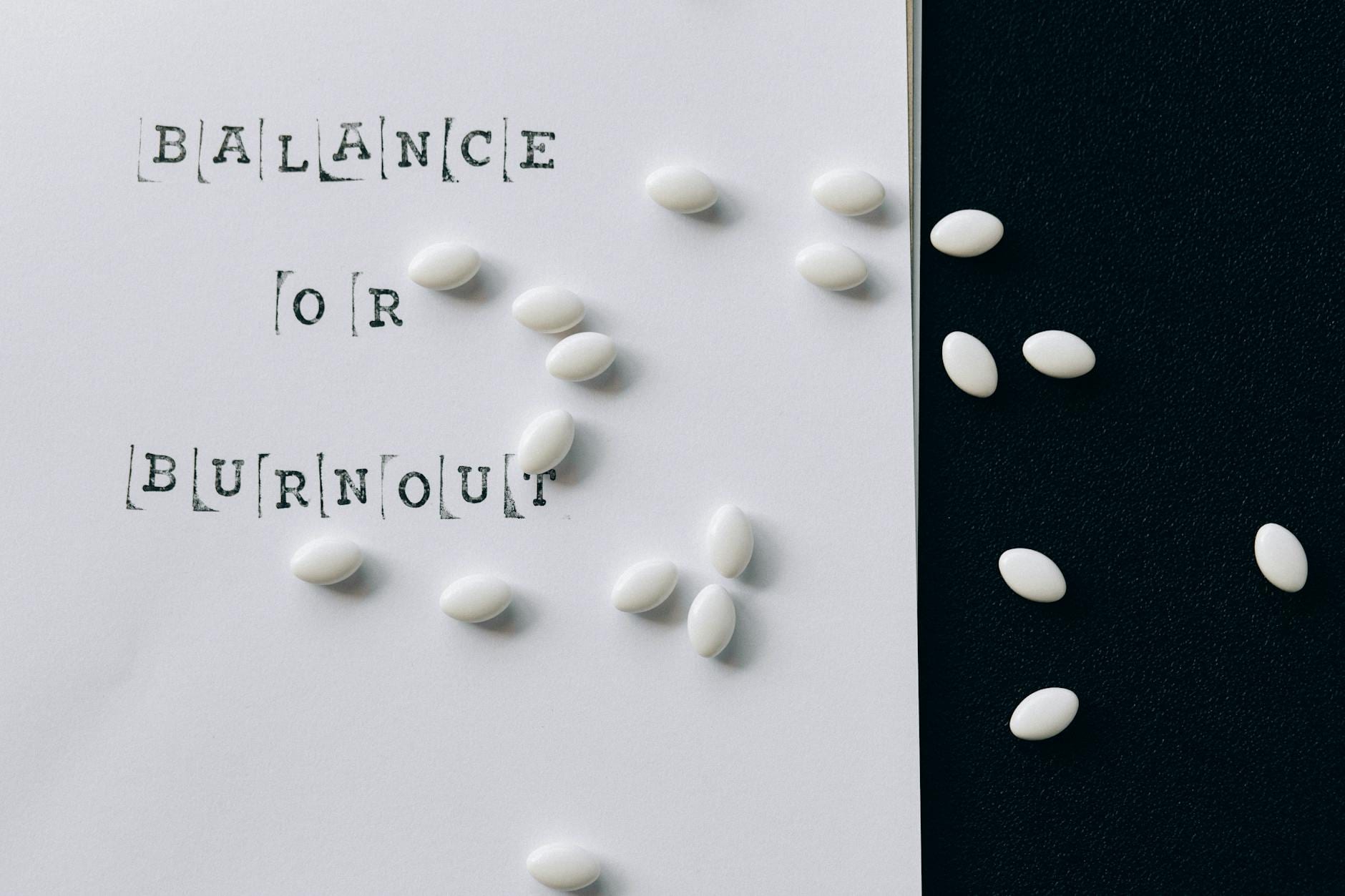
Key points
- Burnout and mental exhaustion are noticeably increasing in everyday pharmacy work.
- Permanent stress, staff shortages and emotional strain raise the risk.
- Early prevention and healthy working structures are decisive.
- Modern working models strengthen motivation, health and staff retention over the long term.
When helping becomes a permanent strain
Pharmacies are regarded as places of health — but how healthy is the working day of the people who carry responsibility there every day? Between the skills shortage, rising customer expectations, administrative workload and economic pressure, many pharmacists and pharmacy assistants are increasingly reaching the limits of what they can bear. What makes this particularly problematic is that exhaustion often develops gradually and goes unrecognised for a long time.
Burnout has long ceased to be a marginal issue. According to the Swiss Health Survey, more and more working people report emotional exhaustion, sleep problems and stress symptoms. The health sector too shows a marked increase in psychological strain. Pharmacy teams occupy a particular role here: they are the first point of contact for patients, they must counsel empathetically and at the same time work with intense concentration, often without real breaks.
Permanent stress in everyday pharmacy work
The strain factors in community pharmacies have changed in recent years. Where the focus used to be mainly on classic counselling and dispensing prescriptions, additional tasks have since been added: vaccinations, services, documentation obligations, supply shortages, digitalisation and growing economic demands.
Many staff experience a constant “multitasking mode”. The telephone, a customer conversation, checking a prescription and queries from the team all run in parallel. On top of this comes the emotional component: patients more frequently appear irritated or unsettled, especially when medicines are unavailable or waiting times are long.
Psychologists speak in this context of “emotional labour”: the permanent requirement to remain friendly, calm and professional, even under stress. It is precisely this invisible strain that is often underestimated.
Recognising the warning signs early
Burnout rarely arises suddenly. It often begins with persistent tiredness, irritability or the feeling of being emotionally “empty”. Further warning signs can be:
- difficulty concentrating
- sleep disturbances
- cynicism or indifference towards customers
- frequent mistakes or forgetfulness
- withdrawal within the team
- loss of enjoyment in the profession
In pharmacies in particular the risk of ignoring warning signs is high. Many staff identify strongly with their profession and want to appear resilient. Added to this is a culture of “pushing through”, especially in smaller teams where absences have a direct impact on operations.
Prevention does not begin with burnout
Experts emphasise that burnout prevention is not a purely private matter. Employers too bear responsibility for healthy working conditions. Even small organisational measures can reduce the strain:
- clear allocation of tasks
- reliable break arrangements
- rotation models between the counter and the back office
- regular team discussions
- transparent communication when things change
- realistic staff planning
Mental health is also gaining importance in the health sector. More and more businesses are investing in internal training on stress management or supporting external coaching services.
The new generation asks different questions
The generational shift in pharmacy is also interesting. Younger professionals increasingly value meaningfulness, flexibility and the reconciliation of work and private life. Part-time models or hybrid forms of work — in areas such as medication management, quality assurance or digital services — are requested more often.
For many pharmacies this means a change of mindset: away from the classic culture of presence, towards modern working models. At the same time this offers an opportunity to keep qualified professionals in the profession over the long term.
Between responsibility and self-care
Pharmacy remains a profession of high social relevance. That is precisely why it is crucial that the health of staff moves further into focus. Because only those who stay healthy in the long run can support patients competently.
Burnout prevention is not a sign of weakness but an expression of professional responsibility — towards oneself, towards the team, and ultimately towards patients too.
References
- Bundesamt für Statistik (BFS): Schweizerische Gesundheitsbefragung 2022. Stress und psychische Belastung in der Erwerbsbevölkerung.
- World Health Organization (WHO): Burn-out an occupational phenomenon. ICD-11 Classification.
- Gesundheitsförderung Schweiz: Job-Stress-Index 2023.
- pharmaSuisse: Entwicklungen und Herausforderungen im Apothekenwesen in der Schweiz.
- SECO Staatssekretariat für Wirtschaft: Psychische Gesundheit am Arbeitsplatz – Stress und Prävention.
Ähnliche Beiträge
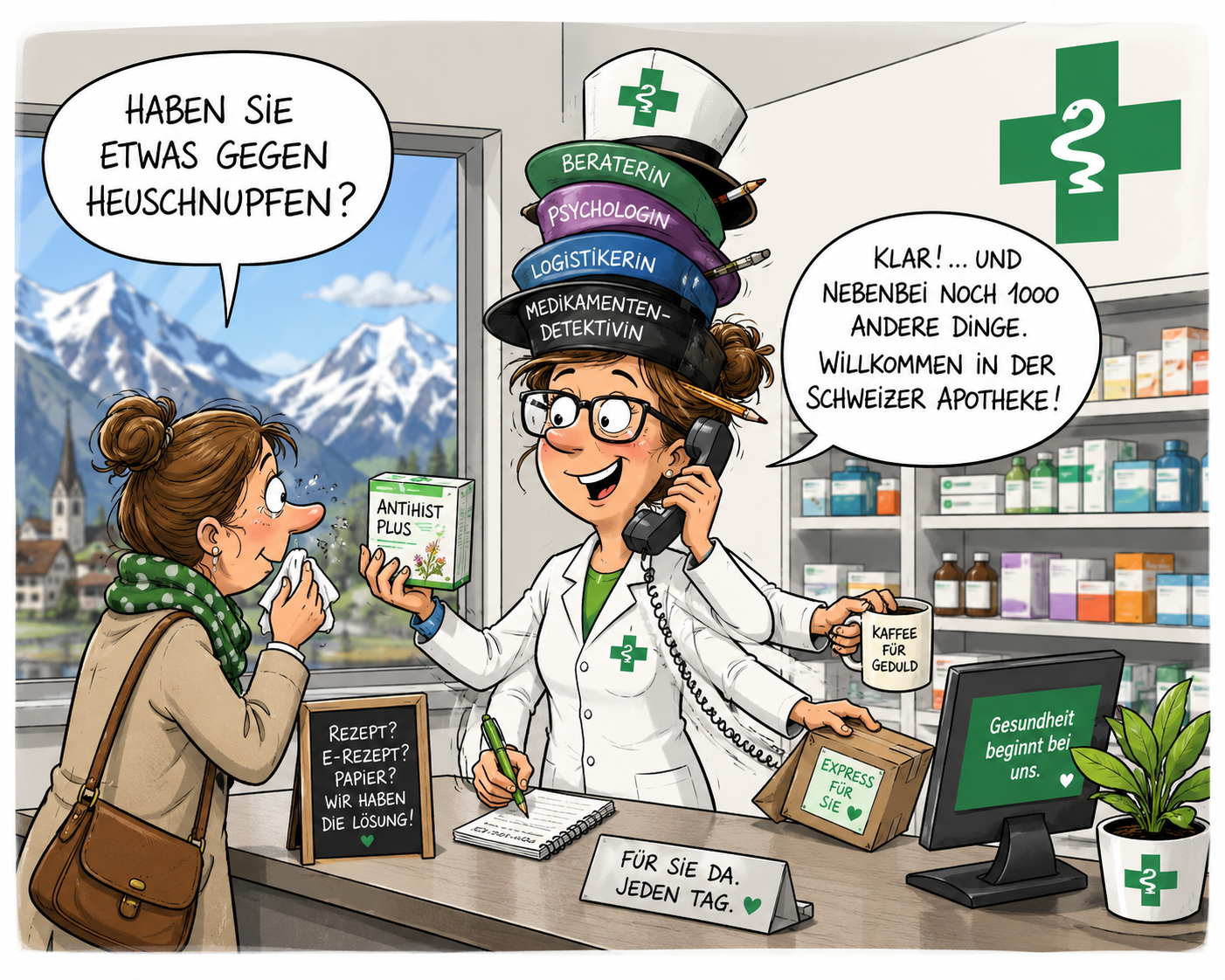
Cartoon of the Week
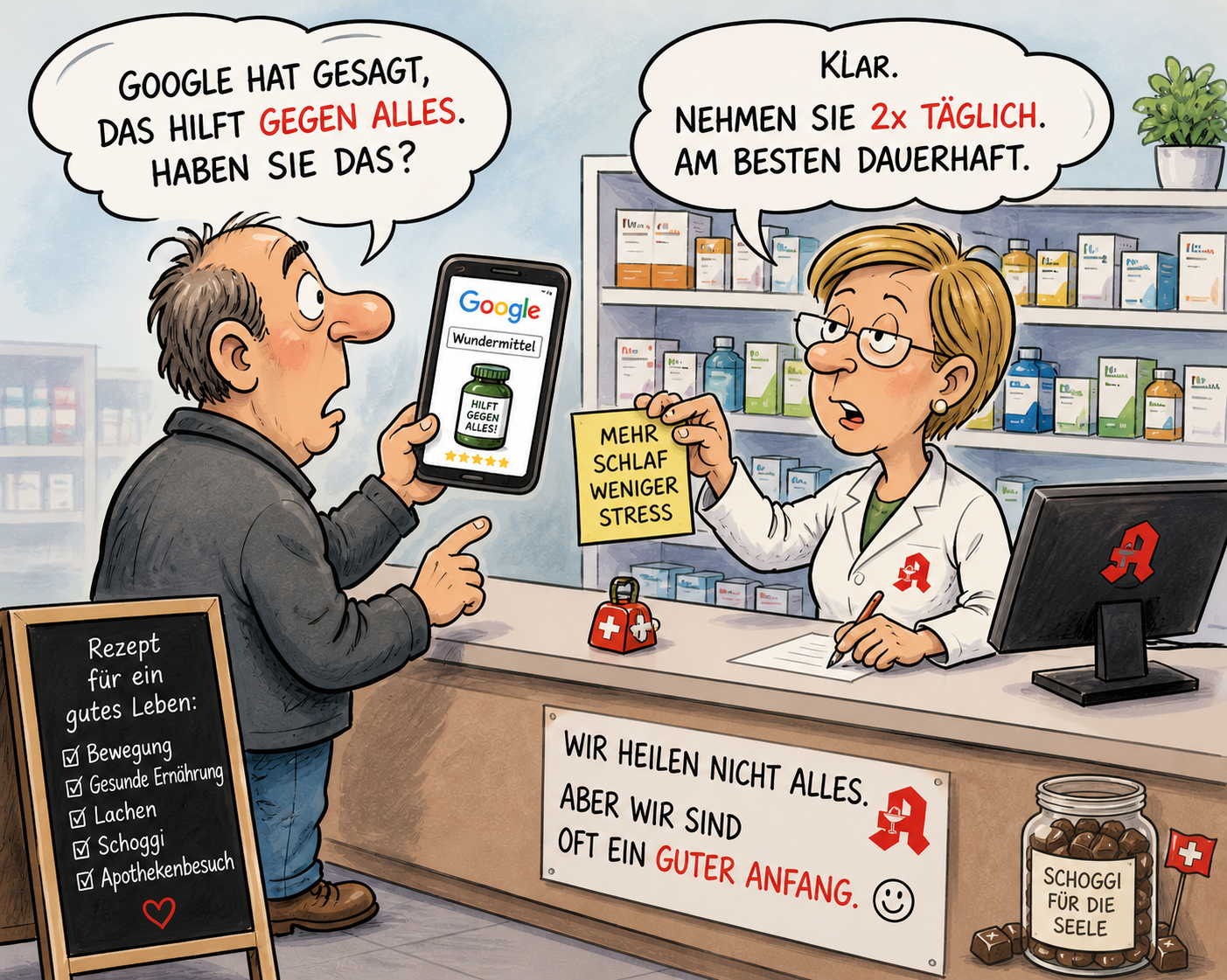
Cartoon of the Week